
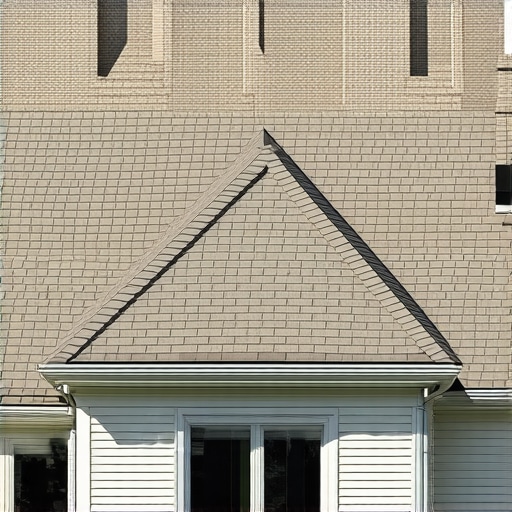
6 Residential Roofing Services You Can’t Skip in 2026: A Homeowner’s Guide to Future-Proofing
The residential landscape of 2026 is vastly different from the one we occupied just a few years ago. Homeowners today are navigating a perfect storm of rising material costs, a persistent shortage of skilled labor, and increasingly volatile weather patterns. According to the 2026 State of the Roofing Industry Report, building material costs remain the number one challenge for new projects, making the “replace-it-every-fifteen-years” mentality of the past both financially and environmentally unsustainable.
My name is Greg Vance, and I’ve spent the last 44 years in the trenches of leak repair and troubleshooting. Over four decades, I’ve seen every roofing fad come and go, but my philosophy has remained constant: “I can show anyone how to fix their leak; it’s not always the roof.” In 2026, roofing is no longer just about “fixing a hole.” It is about integrated home protection, energy efficiency, and precision diagnostics. If you want to protect your investment and ensure your home remains a sanctuary, there are six essential residential roofing services you simply cannot afford to skip this year.
Whether you are looking to enhance your property’s curb appeal or you are investigating 4 Roofing Materials That Boost 2026 Resale Value [Updated], the following services represent the gold standard for modern home maintenance.
1. Advanced Leak Diagnostics & “Beyond-the-Shingle” Troubleshooting
In 2026, the most valuable service a roofer can provide is a diagnostic one. Too often, homeowners are talked into a full roof replacement when the culprit is a failure in a specific component like flashing, a chimney cricket, or improper ventilation. My 44 years of experience have taught me that water is a patient enemy; it finds the path of least resistance, which is rarely through a brand-new shingle.
Modern residential roofing services now employ high-tech tools to find what the naked eye misses. We use infrared thermography to identify temperature differentials in your roof deck. These thermal signatures reveal hidden pockets of moisture that haven’t yet manifested as a ceiling stain. By identifying these “hot spots,” we can perform surgical repairs rather than total overhauls.
The Critical Focus Areas
- Flashing Integrity: Most leaks occur where the roof meets a wall or a chimney. We inspect the counter-flashing and step-flashing to ensure the mechanical bond is still watertight.
- Chimney Crickets: On larger chimneys, a “cricket” or diverter is essential to prevent water from pooling. If yours is undersized or poorly installed, no amount of sealant will save you.
- Ventilation Balancing: A roof that can’t breathe will rot from the inside out. We calculate the intake and exhaust ratios to prevent heat and moisture buildup in the attic.
If you have a specialized roof, you know that the rules change. For instance, Tile Roof Maintenance: 5 Fixes to Stop Leaks in 2026 requires a deep understanding of how water travels beneath the tiles, not just on top of them.
2. High-Performance Material Upgrades for Climate Resilience
The weather patterns of 2026 are more aggressive than those of the 1990s or even the early 2010s. We are seeing more frequent high-wind events and “super-cell” hail storms across the country. Consequently, one of the services you can’t skip is a resilience upgrade. This involves moving away from standard three-tab shingles toward Class 4 impact-resistant materials.
Class 4 shingles are tested by dropping a 2-inch steel ball onto the same spot twice from a height of 20 feet. If the shingle doesn’t crack, it passes. In markets like Denver or New Jersey, these materials are becoming the baseline requirement for insurance discounts. Metal roofing is also seeing a massive surge in popularity due to its longevity and ability to withstand 140-mph winds.
However, choosing the right material is only half the battle. You must ensure your installer is qualified for the specific medium. I recommend reading about How to Vet Denver Metal Roof Installers: 5 Red Flags for 2026 to avoid common pitfalls. Furthermore, if you prefer the aesthetic of clay or concrete, check out these 7 Durable Tile Roof Materials to Outlast 2026 Storms to ensure your choice can handle the modern climate.
3. Solar Integration and Energy-Generating Systems
In 2026, solar energy is no longer an “afterthought” or a clunky add-on. The most sophisticated residential roofing services now offer “Solar-Ready” installations. This means the roof is designed from the deck up to support the weight and electrical penetrations of a photovoltaic system without compromising the roof’s warranty.
One of the biggest trends this year is the use of Thermoplastic Polyolefin (TPO) for residential flat roofs, especially on modern “cube-style” homes. TPO is highly reflective, which slashes cooling costs, and it provides an ideal, durable base for solar racking systems. If you are considering this, be wary of price traps. I’ve detailed these in 5 TPO Roofing Price Traps to Avoid for 2026 Projects.
By integrating solar during the roofing process, you ensure that the mounting brackets are flashed properly by a roofer, not a solar technician who might not understand the nuances of the water barrier. This integrated approach is one of the best 4 TPO Roofing Fixes to Slash Your 2026 Energy Costs while simultaneously future-proofing your home’s energy independence.
4. Post-Storm Resilience & Hail Damage Restoration
The “wait and see” approach to storm damage is a multi-thousand dollar mistake in 2026. When a hail storm hits, the damage isn’t always a hole in the roof. Often, it’s a “bruise” on the asphalt shingle that knocks away the protective granules, exposing the bitumen to UV rays. Within six months, that spot will become brittle and leak.
A professional restoration service includes a comprehensive forensic analysis of the roof. You need a partner who can distinguish between legitimate storm damage and “wear and tear” to help you navigate insurance claims accurately. Unfortunately, the rise in storm frequency has led to a rise in “storm chasers” – unscrupulous contractors who promise a free roof but deliver subpar work or commit insurance fraud.
To protect yourself, you should be aware of the 6 Scams Local Roofers Use to Overcharge You in 2026. If you have recently experienced a storm, act fast with these 4 Immediate Emergency Roofing Fixes After 2026 Hail Damage. Always keep a copy of the 5 Signs Your Denver Roofers Are Overcharging You [2026 Checklist] handy during your consultations.
5. Smart Tech Integration & Moisture Monitoring
We live in an age of “smart” everything, so why should your roof be any different? One of the most innovative services available in 2026 is the installation of smart moisture sensors within the roofing assembly. These sensors are placed in high-risk areas – valleys, around skylights, and near chimneys.
If moisture penetrates the primary barrier, the sensor sends an alert to your smartphone before the water ever touches your drywall. This “early warning system” can turn a $10,000 mold remediation project into a $500 minor repair. While this technology started in the commercial sector, it is now a must-have for high-end residential projects. You can see the evolution of this tech by looking at Why Commercial Roofing Inspections Fail: 5 Signs to Watch in 2026 and seeing how those same principles are being applied to residential homes today.
Installing these sensors during a roof replacement is a “can’t skip” service because it provides peace of mind that lasts for decades. In an era of high labor costs, knowing exactly where a leak is located saves hours of diagnostic time and thousands in labor expenses.
6. Precision Underlayment Replacement & Maintenance
If the shingles are the “skin” of your roof, the underlayment is the “cardiovascular system.” In my 44 years, I’ve seen countless DIYers and low-bid contractors ruin a perfectly good roof by ignoring the underlayment. In 2026, we have moved beyond simple 15-lb felt paper. We now use high-performance synthetic underlayments that are tear-resistant and provide a secondary waterproof seal.
For tile roofs, the underlayment is actually the primary water barrier. The tiles themselves are merely a UV and impact shield. If your underlayment is failing, your roof is failing, regardless of how good the tiles look. This is why precision underlayment replacement is a critical service. Many homeowners make the mistake of trying to patch things themselves, but as I discuss in Tile Roof Repair: 5 DIY Mistakes That Ruin Underlayment [2026], a small mistake in the overlap or fastening can lead to catastrophic failure during the next heavy rain.
Why Underlayment Matters More in 2026:
- Thermal Stability: Modern synthetics don’t degrade under high attic temperatures.
- Vapor Permeability: High-end underlayments allow moisture from the house to escape while preventing rain from entering.
- Extended Exposure: If a storm blows off your shingles, a quality underlayment can protect your home for weeks until repairs can be made.
Conclusion: Choosing a 2026 Partner
The residential roofing market is expected to see significant growth from 2026 through 2033 as housing starts rise and the existing housing stock ages. However, this growth brings challenges. You need a consultant, not just a contractor. In 2026, the right partner is one who prioritizes diagnostics over destruction and value over volume.
At Alamo Roofing, we lead with Greg Vance’s diagnostic-first approach. We don’t want to sell you a roof you don’t need; we want to provide the specific services that will make your current roof last another decade or ensure your new roof is the last one you ever buy. Remember that in this high-cost environment, the cheapest bid is often the most expensive mistake you’ll ever make. Be sure to research Finding Reliable Local Roofers: Why Online Reviews Lie in 2026 before you sign any contracts.
Protect your home, protect your family, and choose the services that prioritize the long-term health of your structure.