
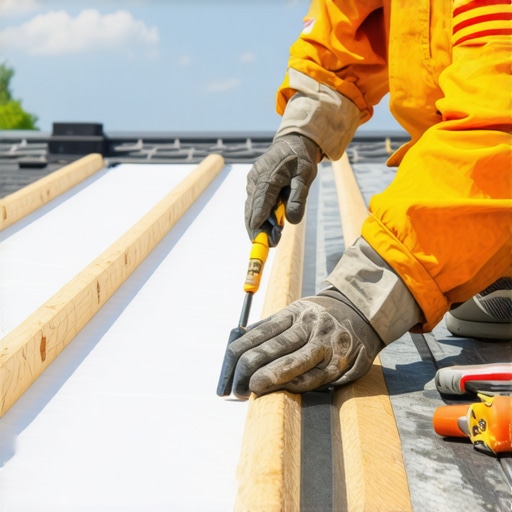
Do Not Start by Pulling on the Roof
A TPO adhesion problem is not something I would diagnose by grabbing a random edge of membrane and tearing at it. That can damage a roof that may still be under warranty, and it gives the contractor an easy excuse to blame the owner for the opening.
Start with the records first. Ask for the roof system type, membrane thickness, adhesive type, insulation layout, fastening pattern, warranty documents, and any manufacturer inspection report. On a fully adhered TPO system, I want to know what the membrane was bonded to, how the adhesive was applied, and whether the crew followed the manufacturer’s limits for temperature, coverage rate, drying time, and substrate condition.
That paperwork matters because TPO failures can look similar from the top. A loose sheet may come from poor adhesive coverage, moisture trapped below the membrane, dirty laps, insulation movement, inadequate rolling, or wind stress at corners and perimeters. The repair is different for each one.
What a Loose TPO Roof Feels Like Underfoot
On a properly installed commercial roof, the membrane should not feel like it is floating over the insulation. Some minor surface movement can be normal, especially around details and transitions, but broad soft areas deserve attention.
When I walk a suspect roof, I slow down around three places first:
- corners and perimeter zones, because wind uplift forces are usually highest there;
- scuppers, drains, and crickets, because water and debris tend to expose weak details;
- wall flashings and curb flashings, because changes in plane show poor bonding faster than the middle of a field sheet.
The warning signs are not dramatic at first. You may see fluttering in wind, small wrinkles pulling toward the center of the sheet, bubbles that grow during the hot part of the day, or seams that do not sit flat. Those clues do not prove the roofer cut corners, but they justify a closer inspection before the roof starts opening at laps or flashings.
This is also where early shrinkage gets misread. Not every shrinking sheet is a bad roll of material. A weak bond, a contaminated substrate, or poor detailing at the perimeter can let the membrane move more than it should. I explain that failure pattern in more detail here: real reason your TPO roof membrane is shrinking early.
The Adhesion Check I Would Ask For
The owner should not perform a destructive adhesion test alone. The correct way is to have the roofing contractor, manufacturer’s representative, consultant, or qualified third party open a controlled test area and document the result with photos.
Step 1: Pick the Right Test Area
Do not test in the middle of the roof only because it is easy to reach. Choose an area that represents the problem. If the membrane is fluttering near a parapet, test near that zone. If water is holding near a scupper, inspect that drainage area. If the roof has several elevations or different installation phases, one test cut may not tell the whole story.
Step 2: Cut a Small Controlled Sample
A small strip at a flashing or repairable edge is usually enough to understand the bond. The exact size and repair method should follow the membrane manufacturer’s requirements. The important part is not the size of the strip; it is what comes up with the membrane.
Step 3: Look at the Failure Surface
If the membrane peels away cleanly and the underside looks almost untouched, that is a concern. On many adhered assemblies, a good pull should show resistance and some transfer from the substrate or facer. If the insulation facer tears before the adhesive releases, the bond is usually stronger than the top layer of the board. That is a very different result than a sheet that releases with little effort.
GAF’s adhered TPO/PVC manual states that adhesive should be applied to approved, clean, dry substrates and that coverage can vary with substrate porosity. It also warns to keep adhesive out of weldable seam areas. That is the kind of manufacturer language I want on the table when a contractor says, “It just happens in the heat.” See the current GAF adhered roofing systems manual here: GAF EverGuard TPO/PVC adhered roofing systems manual.
What a Failed Adhesion Test Usually Points To
A clean release does not automatically prove fraud. It does mean the installation sequence needs to be reviewed. The common problems are practical, not mysterious.
The Substrate Was Dirty or Damp
Dust, construction debris, old residue, moisture, or a weak insulation facer can stop the adhesive from bonding to the actual roof assembly. In dusty areas, this is not a small detail. If the adhesive bonds to dust instead of the board or membrane, the roof may look acceptable on day one and then start moving after heat cycles and wind events.
The Adhesive Was Applied Wrong
Coverage rate matters. Open time matters. Rolling pressure matters. If the adhesive is too thin, allowed to dry past the workable window, or not rolled properly after placement, the sheet may never develop the bond the system was designed to have.
This is one reason low bids can become expensive. Labor is where bad TPO work often gets hidden. The material roll may be correct, but the crew may skip cleaning, rush adhesive application, fail to roll the sheet, or leave weak areas around details. That is one of the practical issues behind these 7 TPO roofing mistakes that drain commercial budgets.
The Roof Has a Drainage Problem Making the Bond Worse
Standing water does not always cause the first failure, but it can make a weak installation show itself faster. Loose membrane can wrinkle and form small dams, and those dams slow water on the way to drains or scuppers. Once dirt collects in those low spots, seams and patches become harder to keep clean and dry during repair.
If ponding is already visible, the adhesion test should be paired with a drainage review. That means checking drain height, scupper openings, tapered insulation layout, and whether the membrane is bridging over low spots. I covered the repair side of that issue here: commercial roof pooling.
Do Not Confuse Adhesion Failure With Seam Failure
Adhesion and seam welding are separate problems. A roof can be well bonded to the substrate and still have bad seams. It can also have decent seams while the field membrane is poorly adhered. Both need to be checked.
TPO seams are heat welded, not glued. The automatic welder has to be adjusted for membrane thickness, ambient temperature, roof temperature, wind, power supply, and the pace of the work. A seam that looks closed from a standing position may still have skips, fishmouths, or cold-welded sections.
A proper seam check uses a blunt probe after the weld has cooled. The probe is run along the seam edge; if it slips into the lap, that section needs repair. IIBEC describes blunt-tip probing as a way to expose skips or anomalies in thermoplastic membrane welds. That is a simple field practice, but it has to be done carefully so the probe does not cut the membrane: IIBEC on welding thermoplastic membranes.
The weld also needs destructive test cuts during installation, not only after a leak appears. A common field check is to weld a sample, let it cool, cut a strip across the seam, and peel it by hand. A good result usually shows the membrane failing before the weld simply separates cleanly. If the contractor cannot show any seam test record, that is a documentation gap.
Annual maintenance walks often miss this because the inspector looks for open holes, not weak welds. That is why I wrote separately about the specific TPO seam failure that most maintenance teams overlook.
What to Ask the Roofer Before Paying the Final Invoice
Before the final payment, ask for evidence that the roof was checked in the way the system requires. A clean roof surface and straight white sheets are not enough.
Ask for these items in writing:
- the exact TPO manufacturer and membrane thickness;
- adhesive product name and batch information, if available;
- photos of substrate condition before membrane placement;
- daily seam test records or photos of test pulls;
- manufacturer inspection report, if the warranty requires one;
- repair photos for any failed probes, fishmouths, or voids;
- confirmation that seams were probed after cooling;
- close-up photos of drains, scuppers, corners, curbs, and wall flashings.
If the answer is only “we checked everything,” ask for the test photos. A professional crew should not be offended by that request on a commercial TPO roof. Good installers already know these details are part of protecting the owner, the warranty, and their own work.
When the Roofer Should Repair, Not Explain
Some findings need action. If a seam probe enters the lap, that area should be repaired according to the manufacturer’s detail. If a test cut shows clean release across a broad area, the contractor should not cover it with another patch and call it finished. The question becomes whether the failure is isolated or systemic.
The practical next step is to map the roof. Mark loose areas, failed seams, ponding zones, and suspect flashings on a roof plan. Then test enough locations to see whether the problem follows one crew day, one elevation, one adhesive batch, one substrate type, or the entire roof. That pattern tells you whether a localized repair is reasonable or whether a larger tear-off discussion is unavoidable.
Start Here This Week
Walk the roof after a warm afternoon and photograph any fluttering, bubbles, wrinkles, ponding, or open seam edges. Then ask the contractor for the TPO system documents, seam test records, warranty inspection notes, and a witnessed adhesion check in the suspect area. Do not cut the membrane yourself. Get the test documented, repair the test area correctly, and make the decision from the failure surface rather than from sales talk.
Comments are closed.