The Forensic Scene: Walking on a Sponge
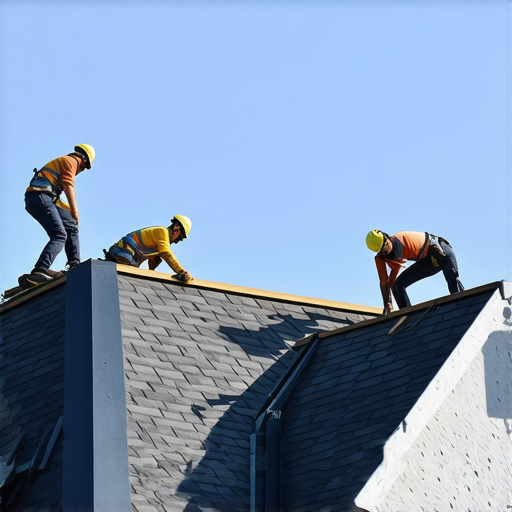
Walking on that roof felt like walking on a sponge. I knew exactly what I’d find underneath. It was a 95-degree day in the high-altitude sun, the kind of heat that turns standard asphalt into a gooey mess, but this roof was different. It didn’t just feel soft; it felt hollow. I pulled a single shingle from the valley, and the wood beneath didn’t just look wet—it looked like it had been through a wood chipper. The homeowner had been told by their local roofers that they just needed a ‘simple overlay’ to save money. That ‘saving’ was currently rotting out their rafters. I’ve spent 25 years on the roof deck, and if there is one thing I’ve learned, it’s that water is patient. It will wait for you to make a mistake, and it will find the one shiner—that missed nail—your contractor left behind. In 2026, the scams have moved beyond simple bad workmanship into high-tech financial manipulation. If you aren’t careful, you aren’t just buying a roof; you’re subsidizing a contractor’s new truck. Here is how they get you.
1. The ‘Free Upgrade’ to TPO Roofing Bait-and-Switch
In the commercial sector, and increasingly in residential flat-roof scenarios, 7 TPO roofing mistakes often start with a too-good-to-be-true upgrade. A contractor will tell you they are giving you a ‘thicker’ 60-mil membrane for the price of a 45-mil. What they don’t tell you is that they are using ‘B-grade’ rolls or expired bonding adhesive. In our high-UV climate, TPO lives and dies by its chemical stability. When UV radiation hits a substandard TPO membrane, it triggers a process called photo-oxidation. The polymers break down, the sheet shrinks, and the seams—the most vulnerable part of any commercial roofing system—pull apart. A roofer who offers a free upgrade is usually hiding a cost-cutting measure elsewhere, like skipping the perimeter wood blocking or using fewer fasteners per square. This is how you end up with a roof that looks great for six months but starts pooling water at the first sign of a summer storm.
“A roof is only as good as its flashing.” – Old Roofer’s Adage
2. The Phantom Hail Damage and the Insurance ‘Deductible Waiver’
This is the oldest trick in the book, yet in 2026, it’s been refined. After a storm, the ‘trunk slammers’ descend. They show you photos of ‘bruised’ shingles that are actually just natural granule loss from age. They promise to ‘waive’ your insurance deductible, which is flat-out insurance fraud in most states. They’ll use a penny or a rock to create ‘hail’ marks that look real to an untrained eye. If you are looking for 5 signs your Denver roofers are overcharging you, this is the biggest red flag. Real hail damage has a specific signature: a hemispherical indentation that breaks the fiberglass mat. Cosmetic scuffs don’t count. When these guys ‘waive’ your deductible, they have to make up that $2,000 to $5,000 somewhere else. Usually, it’s by reusing the old, rusted drip edge or skipping the ice and water shield in the valleys where hydrostatic pressure is highest.
3. The ‘Square’ Padding and Waste Calculation Scam
In the trade, we measure by the square—a 10-foot by 10-foot area. A standard ranch home might be 30 squares. A common scam is padding the ‘waste factor.’ While 10-15% waste is normal for a roof with many gables and crickets, shady contractors will bake in a 25% waste factor on a simple gable roof. They are charging you for material that never arrives at your house. They also use the ‘linear foot’ trick on ridge caps. They’ll over-measure the hips and ridges, charging you for premium cap shingles that they never actually install. You think you’re paying for a premium tile roof installation, but you’re actually paying for air. To combat this, always ask for a copy of the aerial measurement report (like EagleView). If their quote says 45 squares and the report says 38, you are being taken for a ride.
4. The Flashing Re-use (The ‘Clean-and-Coat’ Lie)
Flashing is the metal that redirects water away from chimneys, walls, and valleys. It is the most labor-intensive part of the job. A quality forensic inspection usually reveals that ‘leaks’ aren’t from the shingles—they are from the flashing. To save money and time, a dishonest contractor will leave the old, corroded flashing in place and simply smear a thick layer of plastic cement (roof tar) over it. They call it ‘servicing’ the flashing. I call it a ticking time bomb. The tar will dry out and crack within two years under the brutal thermal shock of our 40-degree temperature swings. When it fails, water enters via capillary action, moving sideways under the shingle until it hits a shiner and drips into your ceiling. If your contract doesn’t explicitly state ‘all new 26-gauge galvanized flashing,’ they are planning to scam you. Check hiring local roofers: 5 contract red flags to see how to spot these omissions before you sign.
[IMAGE_PLACEHOLDER]
5. Sub-Contractor Shell Games and Material Substitution
You hire a reputable company with a shiny office, but the crew that shows up is a third-tier sub-contractor who is being paid by the square to go as fast as possible. This is where the ‘shiner’ comes from—a nail driven at a slant or missed entirely that penetrates the wood but doesn’t hit the rafter. In a tile roof scenario, this is even more dangerous. High-quality tile roof maintenance requires a specific weight of underlayment. A scammy contractor will quote you for a double-layer of 30lb felt but actually install a single layer of cheap synthetic that isn’t UV-rated. Because the tiles cover the ‘evidence,’ you won’t know until the underlayment disintegrates in a decade. These local roofers often count on the fact that you won’t climb a ladder to inspect the brand of underlayment being rolled out at 7:00 AM.
“The building code is a minimum standard, not a target for excellence.” – International Residential Code (IRC) Handbook
6. The ‘Lifetime’ Warranty That Doesn’t Exist
The words ‘Lifetime Warranty’ are the most effective marketing scam in roofing. Most homeowners don’t realize these warranties are pro-rated and often only cover ‘manufacturing defects,’ which almost never happen. 99% of roof failures are due to poor installation—which isn’t covered by the manufacturer. Furthermore, these warranties are often voided if the attic isn’t ventilated to specific NRCA standards. If your local roofers don’t calculate the net free vent area of your soffit and ridge vents, your ‘lifetime’ warranty is worth less than the paper it’s printed on. They’ll charge you a premium for the ‘extended’ warranty and then skip the very steps required to make it valid. It’s a closed-loop scam designed to extract an extra $1,500 from your pocket.
The Cost of the Quick Fix
When you see a price that is 30% lower than the others, you aren’t getting a deal; you’re getting a shortcut. Maybe it’s the cricket they didn’t build behind the chimney to divert water, or the cheap ‘off-brand’ shingles they swapped in at the last minute. In our region, where thermal expansion can move a roof deck by half an inch in a single day, those shortcuts lead to catastrophic failure. You can pay for a proper forensic-grade installation now, or you can pay for a new ceiling and a second roof in five years. Don’t let a roofer turn your home into their next ‘oatmeal plywood’ story. Demand transparency, check the measurements, and never, ever fall for the ‘free’ upgrade.
This post sheds a harsh light on some of the deceptive practices still prevalent in the roofing industry, even as scams evolve with technology in 2026. I had a similar experience a couple of years ago when a contractor offered a ‘lifetime warranty’ which, upon deeper inspection, was only valid if attic ventilation was up to code, something they conveniently did not mention. It made me realize how crucial it is for homeowners to ask detailed questions and know what to look for beyond the initial quote. Personally, I always insist on getting an itemized list, including measurements from aerial reports like EagleView, and verify that all materials, such as underlayment and flashing, are of specified quality. Has anyone else found that being proactive with this kind of research saved them from costly repairs down the line? It seems that the more we educate ourselves, the less vulnerable we are to these tactics.