
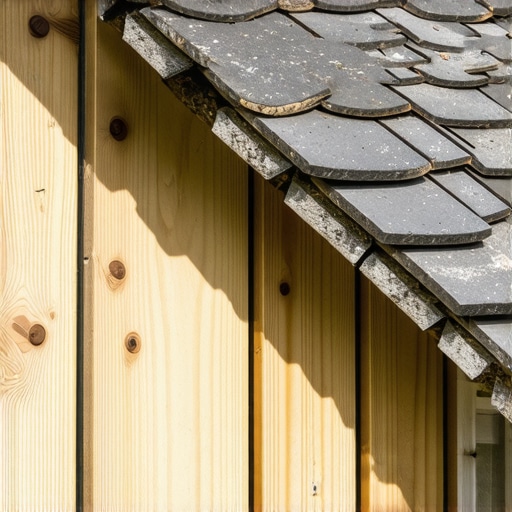
Walking onto a roof in the blistering heat of Las Vegas or Phoenix where the concrete tiles look like a set of crooked teeth is a daily occurrence for me. You see a tile that’s slipped three inches down the pitch, exposing the black, weathered underlayment beneath, and you think it’s just a loose piece of clay. It isn’t. It’s a systemic failure. When concrete tiles begin their slow migration toward the gutters, you aren’t just looking at a cosmetic issue; you’re looking at the physical breakdown of the fastening system under the relentless assault of thermal shock and gravity.
My old foreman used to say, ‘Water is patient. It will wait for you to make a mistake.’ In the Southwest, that mistake is often assuming that because a tile roof can last fifty years, the system holding it together will too. It won’t. I’ve spent twenty-five years crawling over these scorching decks, and I can tell you that a slipping tile is the final symptom of a disease that started years ago in the attic and the batten system.
“Tile roofing systems shall be fastened in accordance with the manufacturer’s installation instructions or the local building code.” – International Residential Code (IRC) R905.3.7
The Physics of the Slip: Why Gravity Wins
Concrete tiles are heavy. We’re talking about 900 to 1,100 pounds per square (that’s a 10-by-10-foot area for you homeowners). When a roofer installs these, they rely on two things: a mechanical fastener (usually a nail) and a horizontal wood strip called a batten. In a perfect world, the tile has a lug on the back that hooks over the batten, and a nail driven through the pre-drilled hole into the wood. But we don’t live in a perfect world. We live in a world of 115°F afternoons and 50°F nights.
This is where thermal expansion enters the scene. Every single day, those concrete tiles expand as they soak up UV radiation. At night, they contract. This micro-movement puts immense stress on the fasteners. If the original local roofers used standard electro-galvanized nails instead of stainless steel or hot-dipped galvanized, the moisture trapped under the tile eventually eats the nail. I call these ‘ghost nails.’ You look at the tile, and the nail head is gone, rusted into a red powder that offers zero resistance to gravity.
Mechanism Zooming: The Capillary Action Under the Lug
Let’s talk about why the batten rots. You might think a tile roof is waterproof. It’s not. It’s water-shedding. In a heavy downpour, water finds its way into the head-laps and side-laps of the tiles. Through capillary action, water is actually sucked upward and sideways into the gaps between tiles. If the hidden flashing gap wasn’t handled correctly, that water sits directly on the wood batten.
When wood stays damp in a dark, hot environment, it undergoes a process called brown rot. The cellulose in the wood breaks down, turning the sturdy 1×2 batten into something with the structural integrity of a wet cracker. Once the batten loses its grip on the nail, the tile’s lug has nothing to hook onto. Gravity takes over. The tile slides. Now, the 30-pound felt or synthetic underlayment—the actual waterproofing layer—is exposed to direct UV rays. In the desert, that underlayment will bake and crack in less than ninety days, leading to the inevitable leak over your dining room table.
The Commercial Contrast: TPO vs. Tile
In the world of commercial roofing, we often deal with TPO roofing. TPO (Thermoplastic Polyolefin) is a single-ply membrane that doesn’t rely on gravity or lugs. It’s heat-welded at the seams. While tile roofs fail because of mechanical fastener rot, TPO often fails because of poor weld consistency or shrinkage. I’ve seen many TPO membranes shrinking early because the installer didn’t secure the perimeter properly. Whether it’s a tile slipping off a batten or TPO pulling away from a parapet wall, the root cause is the same: the installer ignored the physics of the environment.
The “Shiner” and the Improper Fastening Pattern
One of the biggest culprits of slipping tiles is the ‘shiner.’ That’s a trade term for a nail that missed the rafter or the batten entirely. If a roofer was moving too fast—trying to knock out ten squares before the sun got too high—they might have missed the meat of the wood. A shiner provides no withdrawal resistance. Over time, the vibration of the wind and the thermal cycling of the house cause that nail to back out. Once it backs out, the tile is essentially floating. It only takes one good monsoon wind to vibrate that tile enough that it clears the batten lug and starts its descent.
“A roof is only as good as its flashing.” – Old Roofer’s Adage
If you suspect your tiles are moving, don’t wait. A single slipped tile can allow enough water to rot out a 4×8 sheet of plywood in a single season. I’ve seen it happen. I once performed a forensic inspection where the owner ignored a few crooked tiles for three years. By the time I got there, the ‘valley’—the intersection where two roof planes meet—was so soft I couldn’t walk on it without fear of falling through into the attic. You can avoid this by looking for signs your tile roof needs repair early.
The Surgery: How to Actually Fix It
You can’t just shove the tile back up and put a glob of caulk on it. That’s a ‘Band-Aid’ fix that will fail by next summer. Real surgery involves removing the surrounding tiles to inspect the condition of the batten. If the wood is punky, it has to be replaced. We use pressure-treated lumber or plastic battens that won’t rot. Then, we use a ’tile tie’ or a heavy-duty screw that won’t rust out in a decade. If the underlayment is already toasted, you’re looking at a larger repair, often involving a ‘lift and reset’ where we save the tiles but replace everything underneath.
Hiring local roofers who understand these regional physics is vital. Don’t fall for the guy with the lowest bid who doesn’t even carry a ladder to the site. If they aren’t talking about batten rot and fastener corrosion, they aren’t fixing the problem; they’re just hiding it until the next rain. If you’re managing a larger property, keep in mind that commercial roofing costs can skyrocket if you let small leaks turn into structural deck failure.
Closing the Case
Concrete tiles are one of the best investments you can make for a home in a harsh climate, but they aren’t ‘set it and forget it.’ They are a heavy, complex system that fights gravity every hour of the day. When they start to slip, they are telling you that the skeleton underneath is failing. Listen to them. If you don’t, the cost of the eventual ‘surgery’ will be triple what a proactive repair would have cost. Don’t let a ‘shiner’ or a rotten batten destroy your home’s resale value or your peace of mind.
[IMAGE_PLACEHOLDER]