The Deceptive Allure of the Bottom-Dollar Estimate
I’ve spent twenty-five years crawling over sun-baked concrete tiles, and if there is one thing I’ve learned, it’s that a cheap roof is the most expensive thing you’ll ever buy. You’re sitting there with three quotes on your kitchen table. Two are within a few hundred dollars of each other, and the third looks like a gift from the heavens—it’s $5,000 lower. Before you sign that contract and celebrate your ‘savings,’ you need to understand the physics of what’s happening on your house. In the Southwest, the sun doesn’t just shine; it weaponizes UV radiation to turn your roof’s internal components into brittle, useless flakes of carbon. A tile roof is a system, not just a collection of heavy plates. My old foreman used to say, ‘Water is patient. It will wait for you to make a mistake.’ He was right. That low quote isn’t a bargain; it’s a confession that the contractor is planning to cut corners where you can’t see them. We aren’t talking about cosmetic issues; we’re talking about the structural integrity of your home being compromised by the very people you hired to protect it.
“Good roofing practice requires that the tile be supported at the head and that the system provides for drainage of water that might get under the tiles.” – National Roofing Contractors Association (NRCA)
Red Flag 1: The Underlayment Shell Game
In our climate, the tile is just the ‘beauty layer.’ The real roof is the underlayment hiding beneath it. When I see a quote that’s suspiciously low, the first thing I look at is the underlayment spec. Many local roofers still try to pass off a single layer of 30lb organic felt as a ‘standard’ install. In a 160°F attic environment, that organic felt has a lifespan of maybe twelve years before the oils bake out of it and it becomes as fragile as a Victorian-era newspaper. Forensic analysis of failed systems often reveals ‘thermal shock’—the rapid expansion and contraction of the roof deck that shreds cheap felt around the fastener heads. A quality 2026 quote should specify a high-temp self-adhered modified bitumen or a premium synthetic with secondary water resistance. If they aren’t talking about how the material handles UV exposure during the ‘dry-in’ phase, they are setting you up for failure. You might save three grand today, but you’ll be searching for tile roof maintenance fixes in less than a decade when the ‘oatmeal’ starts to rot your decking.
Red Flag 2: Reusing ‘Serviceable’ Flashing
This is the classic ‘trunk slammer’ move. They tell you your lead jacks and galvanized valley metal are ‘still in good shape.’ Listen closely: tile lasts fifty years, but the metal rarely does. If a roofer is reusing old flashing to keep the quote low, they are marrying a brand-new 50-year tile system to 20-year-old metal that is already suffering from galvanic corrosion. Water doesn’t just flow over tiles; it moves through capillary action. It gets sucked up under the laps and travels sideways. If your ‘dead valley’ isn’t replaced with fresh, heavy-gauge ribbed metal, that water will eventually find a ‘shiner’—a misplaced nail—and start the slow process of liquefying your fascia boards. I’ve seen beautiful homes where the ‘cheap’ roof resulted in a complete interior ceiling collapse because a $50 piece of lead flashing was reused to ‘save the customer money.’ It’s not saving money; it’s professional negligence disguised as a discount.
Red Flag 3: The Missing Eave Risers and Bird Stops
Physics doesn’t care about your budget. When you install tile, you create a gap at the eave. If the contractor doesn’t include eave risers (also called bird stops), you’re inviting two disasters. First, without the riser, the first course of tile sags at the wrong angle, breaking the ‘head lap’—the overlap that keeps water from driving upward during a monsoon. Second, those gaps become condominiums for pigeons and rodents. Their acidic waste eats through underlayment faster than the sun does. A low quote often ‘forgets’ these components because they are labor-intensive to install correctly across every square (100 square feet) of your roof. Furthermore, proper ventilation is usually sacrificed. Without ‘off-ridge’ vents or a properly balanced intake/exhaust system, your attic becomes a kiln. This heat transfer doesn’t just spike your AC bill; it accelerates the molecular breakdown of the roof’s waterproofing layer. Check if they’ve factored in the residential roofing services that actually protect your home’s envelope.
“God is in the details.” – Mies van der Rohe
Red Flag 4: The ‘Sub-Contractor Shuffle’ and Lack of Insurance
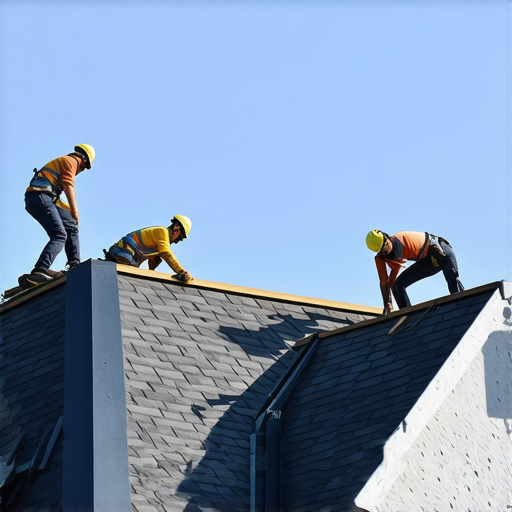
How does a company underbid the market by 30%? Usually by not having any employees. They are ‘paper contractors’ who sell the job and then sell the labor to a crew they found at a gas station that morning. These crews aren’t trained in the specific nuances of ‘staggered-bond’ tile installation or how to properly ‘mud’ a hip and ridge. If the quote doesn’t explicitly mention workers’ compensation and a dedicated on-site supervisor, you are the one carrying the liability. If a worker falls off your two-story Spanish Colonial and the contractor isn’t insured, your homeowner’s policy is the next target. This is why hiring local roofers with contract red flags is so dangerous. You aren’t just paying for tiles; you’re paying for the ‘transfer of risk.’ A low-baller has no risk to transfer—it all stays on your shoulders.
The Reality of Commercial vs. Residential Pricing
Sometimes, homeowners look at TPO roofing or commercial roofing prices and wonder why their tile quote is so high. It comes down to weight and labor. A single square of concrete tile can weigh 900 to 1,200 pounds. The structural load-bearing requirements alone demand a higher level of expertise. If your quote is coming in at the same price as a basic asphalt shingle job, run. They are planning to skip the ‘cricket’ behind your chimney or use inferior ‘muck’ for the ridge caps that will crack and blow away in the first high-wind event. I’ve performed countless forensic inspections where the ‘saving’ from a low quote was eaten up by the first repair bill. If you’ve already found dampness, don’t wait; you need to detect the roof leak fast before the mold takes hold of your trusses.
How to Vet the Quote Like a Pro
When you get that quote, look for line items. If it just says ‘Replace roof with concrete tile,’ it’s a trap. A professional 2026 quote should specify the brand and weight of the tile, the type of underlayment, the gauge of the metal, and the specific ventilation upgrades. Ask about the ‘batten’ system—are they using plastic battens that allow for cross-ventilation and drainage, or are they nailing wood strips directly to the deck that will trap moisture and rot? If the roofer looks at you like you have three heads when you ask about ‘capillary breaks,’ they aren’t the right person for the job. In the end, your roof is the only thing standing between your family and the elements. Don’t let a ‘good deal’ become a lifelong headache. Invest in the durable tile materials that are actually designed to handle the 2026 climate, and hire someone who knows that water is always, always waiting for its chance to get in.
About the Author
Javier Subero
Civil Engineer
Javier Subero is a dedicated Civil Engineer with a specialized focus on the roofing and
LinkedIn Profile