
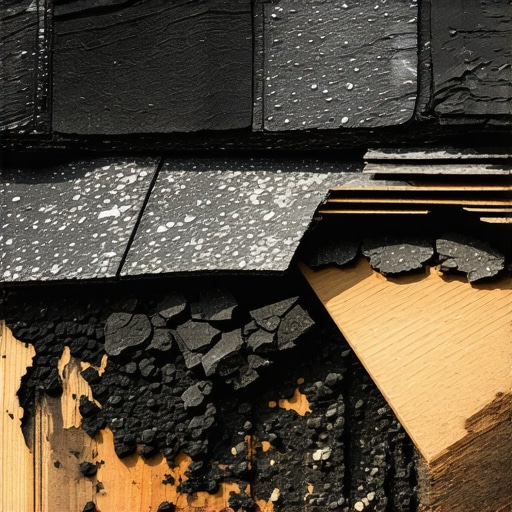
The Anatomy of a Cover-Up: What Your Roofer Doesn’t Want You to Hear
Walking on that roof felt like walking on a sponge. I knew exactly what I’d find underneath before the first shingle even hit the grass. It was 105°F in the shade, and the attic beneath me was screaming for relief, but the crew was moving at a pace that suggested they were more interested in the check than the structural integrity of the home. As a forensic investigator in this trade for over two decades, I’ve seen it all, but nothing gets my blood boiling like the ‘quick flip’ re-shingle. This isn’t just about aesthetics; it’s about physics. When local roofers slap a new layer of asphalt over a compromised deck, they aren’t just cutting corners—they are trapping a biological ticking time bomb. In the Southwest, we deal with a specific kind of brutality: thermal shock. The roof expands under the blistering UV radiation during the day and contracts rapidly at night. If the wood beneath is soft, those nails don’t hold. They back out. And that’s when the real trouble starts.
1. The ‘Skin Over’ Technique: Nailing Into Mush
The most common way roofers hide rot is simply by pretending it isn’t there. They see a soft spot in the OSB or plywood—usually around a valley or a chimney—and they just nail right through it. In the industry, we call a nail that misses the rafter or hits soft wood a ‘shiner.’ But when the entire sheet of decking is compromised, every nail is a failure waiting to happen. The physics of this are simple: hydrostatic pressure. When rain hits a roof, water finds the path of least resistance. If a shingle isn’t anchored to solid wood, it lifts. When it lifts, capillary action draws water upward under the head-lap. If that water hits a rusted nail head or a hole in the felt, it goes straight into the already-rotting wood.
“A roof is only as good as its flashing.” – Old Roofer’s Adage
This cycle of wetting and drying speeds up the breakdown of lignin in the wood fibers, turning your structural support into something resembling wet cardboard.
2. The Felt Paper Scrape (Hiding the Black Mold)
I’ve seen crews scrape away the old shingles but leave the ‘dried-out felt’ paper in place. They’ll tell you it’s ‘extra protection.’ It’s actually a mask. Underneath that felt, the plywood is often stained black or white with fungal growth. In our climate, the heat in the attic can reach 140°F. If there is moisture trapped between the felt and the deck, you’ve created a perfect incubator for mold. If you ignore the signs of a soft deck, you might find that the hidden moisture trap that rots commercial roof decks under new tpo or asphalt is already active. By not stripping the roof down to the clean deck, the roofer avoids the conversation about the extra cost of wood replacement, ensuring they get the job by having the lowest bid.
3. The Drip Edge Bypass
Gravity is a relentless enemy. At the eave—the very edge of your roof—water is supposed to fall off the shingle, hit the metal drip edge, and drop into the gutter. But local roofers often skip the drip edge or install it incorrectly to hide the fact that the fascia board is already crumbling. Without a proper drip edge, water ‘wicks’ back toward the house. It’s called surface tension. The water literally climbs around the edge of the shingle and saturates the edge of the plywood deck. Over time, this leads to ‘ear rot’ on the gables. This is a classic move for those trying to save a few bucks on a square of material. If you want to know why this is a fatal error, look at why most local roofers skip the drip edge and how it rots your fascia.
4. The Caulk Band-Aid on Critical Flashing
Flashing is the most difficult part of roofing. It requires a break, a hammer, and patience. Many roofing companies would rather use a $5 tube of silicone than spend two hours properly counter-flashing a brick chimney or a side wall. They’ll slap caulk over a rusted piece of step flashing to hide the wood rot underneath. This is what we call ‘the $500 mistake.’ Within one season of thermal expansion, that caulk will crack. The gap opens up, and water is funneled directly behind the siding and into the structural studs. I recently investigated a commercial roofing project where the TPO roofing was pulling away because the installer used adhesive instead of a termination bar. You can see the same pattern in residential work where the $500 flashing mistake that local roofers hide with caulk eventually leads to a five-figure repair bill.
The Reality of Material Choice: Asphalt vs. Tile vs. TPO
In the Southwest, we aren’t just fighting rain; we are fighting the sun. A standard asphalt shingle roof is basically a sponge for UV rays. The oils in the asphalt dry out, the granules slough off into the gutters, and the shingle becomes brittle. This is why tile roof installations are so popular here. However, even a tile roof is only as good as the underlayment. You can have a 50-year tile, but if the felt underneath is the cheap #15 stuff, you’ll have leaks in ten years.
“The building envelope must be considered as a whole; a failure in one component is a failure of the entire system.” – NRCA Manual
For flat roofs or low-slope additions, TPO roofing is the gold standard, but it requires heat-welded seams. If your roofer is using ‘glue’ on TPO, walk away. They are setting you up for a ‘blow-off’ during the next monsoon.
How to Protect Your Investment
Before you sign a contract, you need to be the foreman. Don’t let them start the job until they agree—in writing—that they will strip the roof to the bare wood and that any rot found will be replaced at a pre-agreed price per sheet. If they balk at this, they are planning to hide something. You also need to verify their insurance. Many rooofing outfits carry ‘general liability’ that specifically excludes roofing operations. It sounds crazy, but it’s a common scam. Check their credentials and avoid hiring local roofers with contract red flags. A real professional will welcome your questions because they have nothing to hide. They know that the smell of rotting plywood is the smell of a failed promise, and they aren’t willing to put their name on it.