
The 140-Degree Attic Reality Check
Walking on that roof felt like walking on a sponge. I knew exactly what I’d find underneath before I even pulled my pry bar out. From the street, the concrete tiles looked regal—sturdy, sun-baked, and apparently invincible. But the homeowner in Scottsdale didn’t call me because of the tiles; they called because their master bedroom smelled like a damp basement every time the monsoon rolled through. This is the great lie of the tile roofing industry: the tile is the armor, but the underlayment is the heart. When the heart stops, the armor is just heavy debris sitting on a rotting deck.
As a forensic investigator with twenty-five years in the trade, I’ve seen thousands of “50-year roofs” fail in under fifteen. The physics of the Southwest desert are brutal. We deal with thermal shock—the rapid expansion and contraction of materials as they swing from 110°F days to 60°F nights. This movement acts like a slow-motion saw, grinding the underlayment against the battens and the rough underside of the tiles. If you aren’t performing the flashlight test annually, you’re essentially waiting for a catastrophic failure to tell you it’s time for a square or two of plywood replacement.
The Mechanism of Failure: Why Tile Leaks
Most homeowners assume tiles are waterproof. They aren’t. They are water-shedding. In a heavy wind-driven rain, water is forced upward through the head-laps and sideways through the sidelaps. This is where capillary action takes over. Water clings to the underside of the tile and migrates toward the shiners (nails that missed the joist) or sits in the dust-filled valleys created by the battens. If your underlayment has lost its elasticity, it cracks. Once it cracks, that water has a direct highway to your 1/2-inch OSB or plywood deck.
“Underlayment is the primary water-shedding layer in a tile roof system; the tiles themselves serve as a UV shield and aesthetic cover.” – National Roofing Contractors Association (NRCA) Manual
The organic oils in standard #30 or #40 felt paper eventually bake out. The paper becomes brittle, like an old grocery bag left in the sun. This is where thermal expansion becomes your enemy. The tile expands, the wood deck expands, but the brittle paper can’t. It snaps. Now, you have a valley that acts as a funnel for every drop of rain, directing it straight into your insulation.
How to Perform the Forensic Flashlight Test
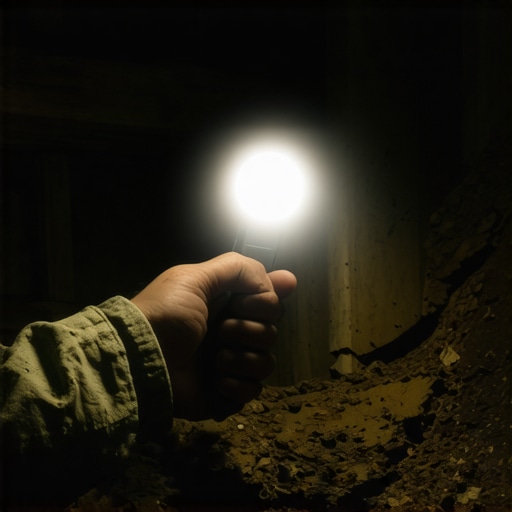
You don’t need a ladder for the first part of this test, and frankly, unless you know where to step, you should stay off the tiles. 3-specific-ways-walking-on-your-tile-roof-destroys-the-underlayment is a real concern that most local roofers won’t tell you until after they’ve cracked ten of them. Instead, grab a high-lumen LED flashlight and head into the attic during a bright, sunny afternoon.
Step 1: The Pinprick Search
Turn off your flashlight and let your eyes adjust to the dark. Look up toward the ridges and the valleys. If you see tiny stars—pinpricks of light—that is a failing underlayment. In a properly dried-in roof, the attic should be pitch black. Those light leaks mean the bitumen has cracked and the felt is gone. If light can get in, water is already visiting.
Step 2: The Staining Trail
Now, turn the light on and scan the rafters, specifically near the crickets (the small diversions behind chimneys) and the eaves. Look for “rust” or dark tea-colored stains. These aren’t just old water spots; they are the tannins leaching out of the wood as it begins to rot. If you see these, you’re likely dealing with the hidden flashing gap that makes your tile roof leak after only a few seasons of extreme heat.
Step 3: The Efflorescence Check
Look for white, chalky powder on the underside of the deck. This is mineral salt left behind after water evaporates. It’s the “smoke” to the fire of a slow leak. If you see this, your underlayment is failing early, likely due to poor ventilation that has turned your attic into an oven, cooking the felt from both sides.
The Material Truth: Why “Lifetime” is Marketing Fiction
When you get a quote for a tile roof, the salesman will lead with the tile brand. They’ll talk about Boral or Eagle tiles as if they are the only things that matter. They are distracting you. The real battle is in the “dry-in.” If a contractor is using standard organic felt in a high-UV environment, they are setting a timer for fifteen years. You want synthetic underlayment or a dual-layered SBS-modified bitumen system. This stuff stays flexible when the temperature fluctuates.
For commercial roofing applications, we often see tile roofs transition into flat TPO roofing sections over patios or parapets. This is a notorious failure point. If the local roofers don’t understand how to transition from a steep-slope tile system to a heat-welded TPO membrane, you’ll get a leak at the transition every single time. Often, they miss the termination bar or fail to properly counter-flash the wall. You can read more about why TPO wall flashings always fail first if you have a hybrid roof system.
“A roof is only as good as its flashing.” – Old Roofer’s Adage
The Cost of the “Band-Aid” vs. Surgery
Most people, when they see a leak, want a quick fix. They want to slop some mastic or caulk around the area. In the roofing world, we call this “liquid gold” because it’s how bad contractors make their money—charging you to hide a problem. If the underlayment is failing, caulk is a lie. It might stop the drip for one storm, but the water will just find a new path. It’s like putting a band-aid on a pressurized pipe.
The only real fix for early underlayment failure is a “Lift and Reset.” We carefully remove the tiles, stack them, pull the old, brittle paper, and install a modern, high-temp synthetic underlayment. Then we put the original tiles back. It’s expensive, but it’s cheaper than replacing all your drywall and remediation for mold. If you’re looking at a quote and the price seems too good to be true, check is your 2026 tile roof quote too low to see if they are cutting corners on the very materials meant to keep you dry.
Vetting Your Local Roofers
Don’t hire a “trunk slammer” who just gives you a price per square over the phone. A real forensic roofer will get in the attic. They will show you photos of the shiners and the cracked felt. They will check the valleys for debris buildup that causes water to back up under the tiles. In the commercial world, we even see rooofing crews skip the drip edge entirely, which leads to rotting fascia boards within five years.
Before you sign anything, perform your own flashlight test. If you see the “stars” in your attic, don’t wait for the next storm. Tile roofs are heavy, complex systems that require more than just a hammer and a nail. They require an understanding of fluid dynamics and thermal physics. If you don’t address a failing underlayment early, that 50-year tile becomes a 15-year liability that could cost you tens of thousands in structural repairs. Stay vigilant, stay off the tiles, and keep your flashlight handy.