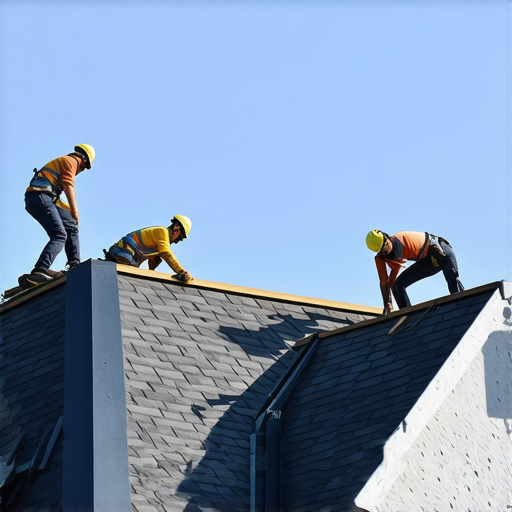

The Forensic Reality of the 2026 Commercial Roof
“Water is patient. It will wait for you to make a mistake.” My old foreman, a man who smelled of burnt bitumen and stale coffee, spat that line onto a blistering 130-degree TPO deck back in ’98. He was right then, and as we stare down the barrel of 2026, his words carry more weight than a saturated recovery board. I’ve spent twenty-five years crawling over parapet walls and investigating why “bulletproof” systems failed three years into a twenty-year warranty. The truth is, the commercial roofing landscape has shifted. We aren’t just fighting gravity anymore; we are fighting specialized labor shortages, supply chain ghosts, and a climate that treats roofing membranes like a cheap snack.
If you think a commercial roofing estimate is just about squares of material and man-hours, you’re already behind. In the high-altitude intensity of regions like Denver, the sun doesn’t just shine; it weaponizes UV radiation to cook your investment from the top down, while poor ventilation rots it from the inside out. As we move into 2026, the invoices hitting desks are going to contain line items that would have seemed like science fiction a decade ago. Here is the forensic breakdown of the costs that will catch you off guard.
1. The ‘Thermal Shock’ Reinforcement Tax
In 2026, the physics of expansion and contraction are becoming a primary budget killer. In the Southwest and Alpine regions, we see diurnal temperature swings of 50 degrees in a single afternoon. This causes a phenomenon I call ‘The Tug-of-War.’ Your TPO roofing membrane expands while the steel deck beneath it stays rigid. This stress doesn’t happen in the field; it happens at the flashings. You will pay a premium for reinforced perimeter fastening and high-performance adhesives that can handle this mechanical shear. If your contractor doesn’t account for this, you’ll be dealing with drainage fixes and torn flashings before the first snow melts. No more ‘standard’ installs; the cost of specialized termination bars and heavy-duty plates is skyrocketing.
“A roof is only as good as its flashing.” – Old Roofer’s Adage
2. Forensic Disposal of Legacy Materials
Environmental regulations in 2026 have turned the dumpster into a luxury item. Tearing off an old tile roof or a multi-layered modified bitumen system isn’t just about labor anymore. Many municipalities are now requiring forensic sorting of debris. If your old roof contains certain types of aged polyiso insulation or hazardous binders, the disposal fees will be a gut punch. I’ve seen projects where the ‘dump fees’ alone rivaled the cost of the new membrane. You need to verify if you are being charged for specialized recycling or if your contractor is just padding the bill. Check this checklist of sneaky fees to ensure you aren’t being taken for a ride on waste management.
3. The Precision Labor Premium (The End of the ‘Trunk Slammer’)
The days of hiring ‘local roofers’ who just happen to own a ladder and a heat gun are over. A TPO roofing system requires robotic welding for consistent seams. Capillary action is a cruel mistress; if a seam has a ‘void’ the size of a needle, hydrostatic pressure will eventually force water uphill into your insulation. In 2026, the cost of certified master technicians who understand the molecular fusion of membranes is at an all-time high. You aren’t paying for their time; you are paying for the lack of a ‘shiner’ (a missed nail or fastener) that would otherwise void your warranty on day one. If the bid looks too low, they are likely skipping the critical ‘cricket’ installation in the valleys to divert water away from the HVAC curbs.
4. Integrated Solar Interface and Micro-Grid Load
More commercial buildings are being converted into micro-grids. Whether you are installing solar now or ‘solar-ready’ later, the structural reinforcement required is a massive 2026 cost driver. You can’t just slap panels on a standard deck. The commercial roofing contract now frequently includes structural bracing to handle the dead load of the ballasted racks and the increased wind uplift. Ignoring this leads to ‘deck deflection,’ where the roof sags under the weight, creating internal ponds that never drain. This is often where commercial warranties become worthless because the ponding water was caused by an uncalculated structural load.
“The roof shall be designed to withstand the wind-uplift pressures as determined by ASCE 7.” – International Building Code (IBC) Section 1504.1
5. R-Value Inflation and Code Compliance
The 2026 energy codes are brutal. We are no longer talking about a single layer of 2-inch polyiso. To hit new R-value targets, we are often looking at staggered double-layers of insulation with offset joints to prevent ‘thermal bridging.’ This is where heat escapes through the gaps between insulation boards, creating cold spots on the ceiling that lead to condensation and mold. The cost of this extra material and the labor to cut-to-fit around every roofers‘ nightmare—the complex penetrations—adds 15-20% to the project cost compared to 2023 standards. You’re essentially building a thermal thermos on top of your warehouse.
6. The ‘Insurance Surcharge’ for Hail and Wind
After the catastrophic weather seasons of the mid-2020s, insurance carriers are no longer writing ‘all-perils’ policies without massive deductibles for roofing. In 2026, you will likely face a cost-sharing model for commercial roofing replacements. If you want to keep your premiums down, you’ll have to pay more upfront for Class 4 impact-rated materials. Whether it’s a tile roof with high-strength underlayment or a 60-mil TPO with a fleece back for cushion, the material cost is higher, but the ‘surprise’ is the $50,000 deductible you’ll face if you go with the cheap stuff. Check emergency roofing fixes to see how much a ‘cheap’ roof actually costs after a storm.
7. The ‘Maintenance Trap’ and Warranty Compliance
The final surprise cost is the ‘Warranty Maintenance Contract.’ In 2026, manufacturers are being more aggressive about denying claims. If you don’t have a documented, biannual inspection by certified local roofers, your 20-year NDL (No Dollar Limit) warranty is just a piece of paper. This is a recurring cost that many owners fail to capitalize. Without it, a small issue like a clogged scupper or a loose counter-flashing can turn into a $100,000 internal leak that the manufacturer won’t touch. You must budget for the ‘Surgery’ (proper maintenance) to avoid the ‘Autopsy’ (a premature tear-off). For more on what to look for, see why inspections fail.