The Anatomy of a Slow Motion Disaster: Why Your Roof Is Holding Water
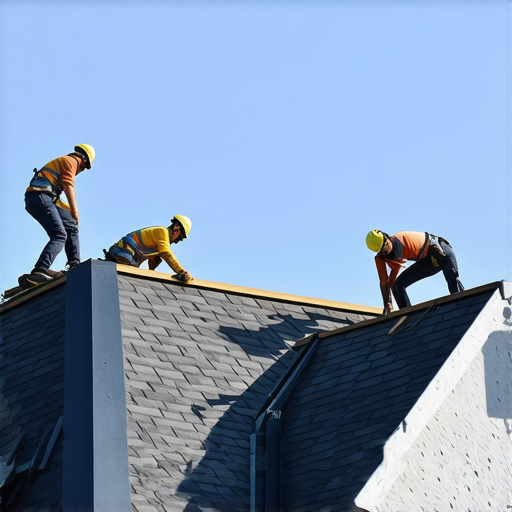
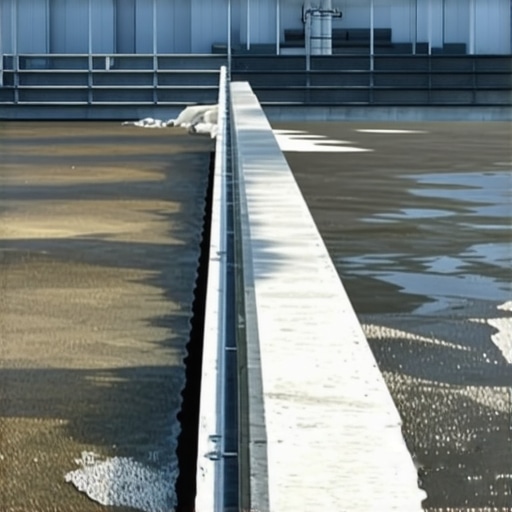
I’m standing on a low-slope TPO roof in the heat of a July afternoon, and the smell hits me before the visual does. It’s that thick, swampy stench of stagnant water mixed with decaying organic matter. To the untrained eye, it’s just a puddle. To me, after 25 years of inspecting commercial failures, it’s a 500-pound weight pressing down on a structure that wasn’t designed to be a swimming pool. My old foreman used to pull me aside when I was a greenhorn and say, ‘Water is patient. It will wait for you to make a mistake, and then it will spend the next ten years trying to get into the building.’ That puddle, or ‘ponding’ as the architects call it, is water being very, very patient.
When we talk about pooling on a commercial system, especially with TPO roofing, we aren’t just talking about a nuisance. We are talking about hydrostatic pressure. Water weighs about 62.4 pounds per cubic foot. When you have a three-inch deep pool sitting over a structural bay, you are adding thousands of pounds of ‘dead load’ that the engineers didn’t account for in the original blueprint. This weight causes the roof deck to deflect—it bows downward—creating a permanent birdbath that only gets deeper as the structural steel fatigues. If you’ve noticed your drains are high points instead of low points, you’re already in the ‘surgery’ phase of roofing repair.
‘Ponding water is defined as water that remains on a roof for longer than 48 hours after precipitation stops under conditions conducive to drying.’ – NRCA (National Roofing Contractors Association) Manual
Mechanism Zooming: The Magnifying Glass Effect
Why does pooling kill a TPO roofing membrane? It’s not just the weight. On a hot day, that pool of water acts as a magnifying glass. It concentrates UV radiation, accelerating the degradation of the polymers in the membrane. While the rest of your roof is reflecting heat, the area under the water is baking. Eventually, the plasticizers leach out, the membrane becomes brittle, and the seams—which are already under stress from the water’s weight—begin to fail. This is often where 7 TPO roofing mistakes that drain commercial budgets in 2026 begin to manifest, starting with poor heat-welding that can’t withstand constant submersion.
Fix 1: The Cricket Strategy (Water Diversion)
In the trade, we use ‘crickets.’ No, not the insects. A cricket is a diamond-shaped sloped structure built on top of the roof deck to steer water around obstacles like HVAC curbs or skylights and toward the drains. If you have water sitting behind a large rooftop unit, you don’t need a new roof; you need a surgical insertion of a tapered insulation cricket. We use rigid polyisocyanurate foam, cut to a specific slope, and then we strip it in with new membrane. It’s the difference between letting water sit and rot your deck and giving it a clear highway to the exit. Without these, why commercial roofing inspections fail becomes obvious the moment a forensic tech steps onto the site.
Fix 2: Sumping the Drains
I’ve seen plenty of local roofers install a drain flat against the deck. That’s a rookie move. A commercial drain should be ‘sumped.’ This means the area around the drain is recessed, creating a localized bowl that forces the water into the pipe. If your drain is the highest point in the immediate area, it’s because the insulation around it was installed too high or the deck has settled. Sumping involves cutting back the insulation and creating a 4’x4′ tapered area that drops the drain below the roof line. It’s one of the fastest ways to eliminate 2-inch deep pools that threaten your structural integrity.
Fix 3: Tapered Insulation Systems
If the entire roof is a series of rolling hills and valleys, sumping a drain won’t save you. You need a full tapered insulation system. We design these using CAD to ensure that every square inch of the roof has a minimum 1/4-inch per foot slope. We are essentially rebuilding the ‘floor’ of your roof to be slanted. This is the gold standard for commercial roofing. It’s expensive, yes, but so is replacing a collapsed steel joist because you ignored a 2,000-gallon pond over your warehouse floor. When you are looking for reliable local roofers, ask them how they calculate slope-to-drain ratios. If they look at you blankly, show them the door.
Fix 4: Scupper Widening and Overflow Logic
Many older buildings rely on scuppers—holes in the parapet wall that let water out. I often find these choked with leaves or, worse, they were sized for a climate from forty years ago. With the intensity of modern storms, a 4-inch scupper is a joke. We widen these and, more importantly, we install ‘overflow scuppers’ two inches above the primary ones. If the primary drain clogs, the overflow kicks in. If I see water coming out of an overflow scupper, I know there’s a problem without even climbing a ladder. It’s a fail-safe that prevents the ‘lake effect’ from reaching critical mass.
Fix 5: The Siphonic Drainage Pivot
For massive footprints, traditional gravity drains are often inadequate. Siphonic drainage is the high-tech fix. These systems use specialized rain heads that prevent air from entering the pipes. This creates a full-bore flow that literally sucks the water off the roof at high velocity. It allows for smaller pipes and fewer penetrations, which reduces the number of ‘shiners’ or missed fasteners that can lead to leaks. It’s a sophisticated approach that many roofers aren’t equipped to handle, but for a 100,000 square foot facility, it’s a budget-saver over the long haul. Properly managed drainage can also be one of the 4 TPO roofing fixes to slash your 2026 energy costs by keeping the insulation dry and effective.
‘Waterproofing is the art of shedding water, not just holding it back.’ – Axiom of Modern Architecture
The Forensic Reality: Don’t Wait for the Drip
By the time you see a brown circle on your ceiling tiles, the rooofing system has likely been failing for months. The water has traveled through the membrane, saturated the cover board, soaked the insulation, and is now corroding the metal deck. In cold climates, that water freezes and expands, tearing your seams apart from the inside out. In the desert, it boils and creates steam pressure that blisters the membrane. Whether you have a tile roof on a residential property or a massive TPO roofing system on a factory, the physics are the same: water must move. If it doesn’t move, it destroys. Don’t let a ‘trunk slammer’ slap a patch of caulk on a pond and call it a day. That’s a band-aid on a gunshot wound. You need to fix the drainage, or you’ll be replacing the whole deck before the decade is out.