
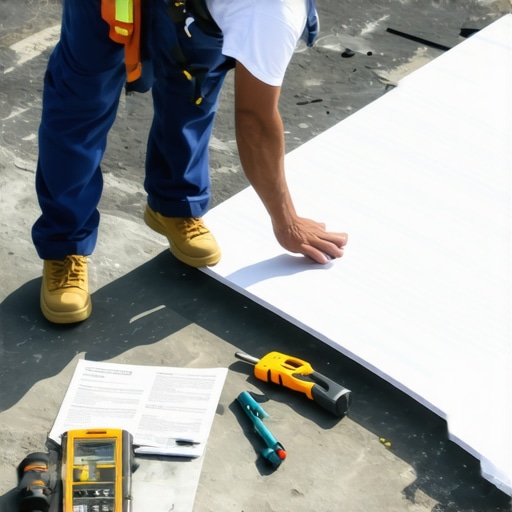
My old foreman used to say, ‘Water is patient. It will wait for you to make a mistake.’ After 25 years of crawling over hot TPO membranes and inspecting failing tile roofs, I’ve learned that water isn’t the only thing waiting for a mistake—unscrupulous contractors are too. When you are looking at a commercial roofing bid in 2026, you aren’t just buying a weather barrier; you are navigating a legal minefield. I’ve seen plywood so rotten it looked like wet oatmeal because a contractor ‘forgot’ to include proper ventilation fees in the initial bid, only to hammer the client with ’emergency change orders’ later. If you are managing a property in a climate like Denver, where the freeze-thaw cycle turns tiny cracks into canyons, you can’t afford to be naive about the fine print.
1. The ‘Administrative’ Warranty Registration Fee
One of the most common ways local roofers padding their margins is by charging a separate fee to ‘register’ your TPO roofing manufacturer warranty. This is pure theater. Most major manufacturers require registration to validate the NDL (No Dollar Limit) warranty, but it takes about fifteen minutes of data entry. If you see a line item for $500 or $1,500 for ‘Warranty Processing,’ you are being fleeced. The manufacturer’s inspector is going to come out anyway to check the welds and the securement pattern. That cost is usually baked into the material price, not a separate service fee. Don’t let them charge you twice for a piece of paper that ensures the product they installed actually works.
“A roof system’s performance is highly dependent on the quality of the installation and the compatibility of the materials used.” – National Roofing Contractors Association (NRCA)
2. Thermal Bridging and ‘Extra’ Insulation Fasteners
In cold climates, thermal bridging is the silent killer of commercial budgets. I’ve walked onto roofs where you could see the ghost of every screw through the membrane because of frost patterns. In 2026, some roofers are low-balling the initial square-foot price but adding a ‘fastener density surcharge’ after the contract is signed. They’ll claim the wind uplift requirements changed or the deck was thinner than expected. The physics of it is simple: if they don’t use enough plates and screws, the wind creates a vacuum that pulls the TPO upward, causing the seams to stress and eventually pop. You need to ensure the fastening pattern is specified to code before anyone climbs a ladder. If they try to upcharge for ‘code-compliant fastening’ later, they are admitting their original bid was illegal. This is often one of the 7 TPO roofing mistakes that drain commercial budgets in 2026.
3. The ‘Mobilization’ shell game
Commercial roofing requires heavy equipment—cranes, kettles, and safety rails. A ‘mobilization fee’ is standard, but the ‘re-mobilization’ fee is where the sneaky money lives. If a contractor stops work because of a light dusting of snow (common in the North) and then charges you $2,000 to bring the crew back, you’ve been had. A professional contract should account for weather delays without punishing the building owner. I’ve seen ‘trunk slammers’ pull their crew off a job to go start another project, then charge the first owner a mobilization fee to return. It’s a classic way to hide a price hike in plain sight. Always check for 5 hidden signs of reliable local roofers in Denver 2026 to avoid these predatory tactics.
4. ‘Incidental’ Flashing and Cricket Construction
Water doesn’t just fall; it flows. If your commercial roof has HVAC units or skylights, you need a ‘cricket’—a small peaked structure that diverts water away from the curb. Without a cricket, water ponds behind the unit, creates hydrostatic pressure, and eventually forces its way through the lap seams. Many bids leave out these ‘small’ details, labeling them as ‘incidental flashing.’ When the job is 50% done, the roofer informs you that ‘custom metal work’ is needed at $300 per unit. Suddenly, your cheap roof is the most expensive one in the neighborhood. This is a common trick when hiring local roofers who hide contract red flags. A real forensic analysis of your roof should identify every single penetration and the specific flashing detail required before a single shiner is driven into the deck.
5. Disposal and ‘Overweight’ Dumpster Fees
Removing a multi-layered commercial roof is a dirty, heavy business. A single ‘square’ (100 square feet) of old built-up roofing can weigh 500 pounds. Some contractors will bid a low disposal fee but include a clause about ‘excess weight.’ When the debris hits the scale at the landfill, they pass a 200% markup on to you. I once saw a building owner pay $8,000 in ‘overweight’ fees because the roofer didn’t account for the saturated insulation underneath the membrane. If the roof is leaking, the insulation is likely holding water like a sponge. That water has weight. A pro knows this and accounts for it after a proper infrared scan or core sample. If they don’t do a core sample, they are guessing with your money. This is exactly why commercial roofing inspections fail so often.
“The building envelope must be designed and constructed to prevent the accumulation of water within the wall or roof assembly.” – International Building Code (IBC)
6. The ‘Surprise’ Deck Replacement Markup
This is the big one. The contractor tears off the old membrane, finds a few soft spots in the structural deck, and tells you it all has to go. While they are right that you can’t nail into rot, the price they charge for that plywood or steel decking is often three times the market rate. They know you are trapped—your building is open to the sky and the forecast says rain. To avoid this, pre-negotiate the ‘per sheet’ or ‘per linear foot’ price for deck replacement in the original contract. Don’t leave it to their ‘discretion’ once the roof is off. If you are dealing with a tile roof maintenance issue or a full TPO replacement, the deck condition is the foundation of the entire system. Don’t let a ‘shiner’—a nail that misses the joist—be the reason your new roof fails during the next high-wind event.
Summary of Forensic Protection
In the end, a commercial roof is an industrial asset, not a home improvement project. If a bid looks significantly lower than others, they aren’t ‘saving you money’—they are just hiding the fees in the shadows of the contract. Look for the ‘kick-out flashing’ details, ask about the ‘R-value’ of the polyiso insulation, and never, ever pay a mobilization fee twice. You need to be as patient as the water. Take the time to read the fine print, or you’ll be paying for it for the next twenty years. If you’re worried about costs, check out this 2026 checklist on whether your roofers are overcharging you before you sign anything.