
The Sound of a 200-Square Mistake
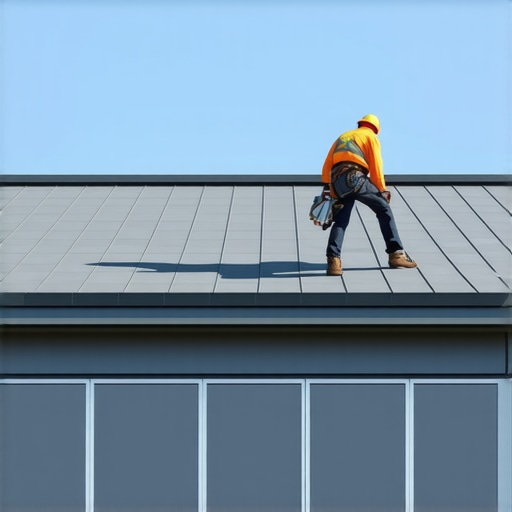
Walking on a flat commercial roof in the high-altitude heat of the Southwest is a specific kind of hell. It is 140 degrees on the membrane, the smell of curing TPO is thick enough to chew, and the sound? It shouldn’t sound like anything. But on this specific job site, it sounded like a wet sponge being squeezed. Walking on that roof felt like walking on a swamp; I knew exactly what I would find underneath before we even pulled the first core sample. It wasn’t just a leak; it was a systemic failure of physics that the original contractor ignored to save a few pennies on a bid. As we enter 2026, these ‘pennies’ are turning into five-figure nightmares for property owners who don’t understand how the commercial roofing landscape has shifted.
1. The Tapered Insulation ‘Tax’
In the old days, you could get away with a ‘dead level’ roof and hope the drains did their job. Not anymore. By 2026, building codes and insurance adjusters are cracked down on ponding water like never before. If your roof doesn’t have a built-in slope, you’re looking at a massive surcharge for tapered polyiso insulation. This isn’t just about moving water; it’s about preventing the hydrostatic pressure that forces moisture through even the smallest pinhole in a TPO seam. When water sits, it creates a lens that magnifies UV radiation, cooking the membrane from the top down while the weight of the pool stretches the fibers from the bottom up. If you’re seeing standing water for more than 48 hours, you’re already in the red. You need to look at 5 fast 2026 drainage fixes before you’re forced into a full structural pitch correction.
“A roof is only as good as its flashing, and its ability to shed water is the only thing keeping the structure from returning to the earth.” – Old Roofer’s Adage
2. The TPO Seam Integrity Crisis
Thermoplastic Polyolefin (TPO) is the darling of the commercial world because it’s cheap and reflective. But here is the truth: it’s only as good as the guy holding the robot welder. In 2026, labor shortages mean more ‘green’ crews are out there dragging welders at the wrong speed or temperature. If the weld is too cold, you get a ‘cold weld’ that looks fine but pops under thermal expansion. If it’s too hot, you scorch the material, ruining the polymers. This leads to TPO roofing mistakes that can drain a maintenance budget in a single season. I’ve seen 60-mil membranes shatter like glass because the heat-aging properties were compromised during installation.
3. Tile Roof Underlayment: The Silent Killer
If you’re running a commercial property with a tile roof, you aren’t paying for the tile; you’re paying for the ‘deck skin.’ People think tiles are the waterproof layer—they aren’t. They are the UV shield. The actual waterproofing is the underlayment, and in the Southwest heat, standard organic felt turns to brittle potato chips in fifteen years. By 2026, the cost of high-temp, self-adhering modified bitumen underlayment has skyrocketed. If your roofer suggests 30-pound felt for a commercial tile application, kick them off the ladder. You’ll be paying for a ‘reset’ (taking the tile off and putting it back) in a decade when the ‘shiners’—those missed nails—start to rust and create direct paths for water through capillary action. Check the 5 fixes to stop tile leaks before the plywood turns to wet pulp.
4. The ‘Thermal Bridge’ Fastener Penalty
Every single metal screw driven through your insulation into the steel deck is a thermal bridge. It’s a tiny highway for heat to escape in the winter and enter in the summer. 2026 energy codes are starting to require ‘induction welded’ fastening systems or high-density cover boards to break this bridge. If your contractor isn’t talking about R-value retention, they are costing you thousands in HVAC bills. It’s not just about the roof staying on; it’s about the roof not acting as a giant radiator for your building.
5. The Warranty ‘Paper Tiger’
I’ve seen a lot of ‘Lifetime’ and ’20-Year’ warranties in my time. Most of them aren’t worth the recycled paper they’re printed on. They often exclude ‘consequential damages’ (like the $100k of computer equipment destroyed by the leak) and ‘acts of God’ (which apparently includes a stiff breeze in some contracts). Many owners find that 2026 commercial warranties are designed to protect the manufacturer, not the building. If you don’t have a documented maintenance plan, the manufacturer will void your warranty the second a drain gets clogged with bird nests.
“The National Roofing Contractors Association (NRCA) recommends that commercial roofs be inspected at least twice a year to maintain warranty compliance and structural health.” – NRCA Standard Manual
6. Crane Days and Logistic Surcharges
In 2026, the cost of iron and fuel means that ‘Crane Day’ is a massive line item. If your local roofers don’t have their logistics tight, you’ll pay $2,000 an hour for a crane to sit idle because the TPO delivery was late or the ‘cricket’ (the water diverter behind the HVAC unit) wasn’t fabricated correctly. These ‘sneaky’ fees are where most commercial projects go over budget. Always look for contract red flags regarding equipment mobilization.
7. Code-Mandated Secondary Water Resistance (SWR)
Insurance companies are tired of paying for interior damage. In many jurisdictions, 2026 mandates SWR—a secondary barrier that stays waterproof even if the primary roof blows off in a storm. This adds a ‘Square’ (100 square feet) cost that didn’t exist five years ago. It’s a classic case of paying more now to avoid a catastrophe later. If you hire ‘trunk slammers’ who ignore these codes, your insurance company will likely deny your claim when the next big one hits. Finding reliable local roofers who actually pull permits and follow the 2026 IRC Building Codes is the only way to safeguard your investment.
[IMAGE_PLACEHOLDER]
Comments are closed.