
The Sticker Shock at the Attic Hatch: Why Estimates Are Often Fiction
You’re sitting at your kitchen table, looking at a final invoice that looks nothing like the ‘free estimate’ you signed three weeks ago. It’s a gut-punch. You feel like you’ve been taken for a ride by another set of local roofers who promised the world and delivered a bill that could buy a mid-sized sedan. But as someone who has spent two and a half decades crawling through fiberglass insulation and sniffing out dry rot in 140-degree attics, I’m here to tell you: that initial quote was likely a fantasy, and the reasons why are written in the physics of your home’s failure.
Walking on that roof felt like walking on a sponge. I knew exactly what I’d find underneath. The TPO membrane looked fine from twenty feet away, but as my boots sank three inches into the substrate with every step, I could hear the sickening squelch of saturated polyiso board. The owner thought they needed a simple patch. I knew we were looking at a full-system forensic reconstruction. This is the reality of roofing in the high-altitude, high-UV environment of the Mountain West and Southwest: what you see is rarely the whole story.
The Anatomy of the ‘Lowball’ Quote
Most local roofers compete on price because they don’t know how to compete on value. They give you a ‘shingle-over’ or ‘patch’ price because it’s the only way to get you to sign the contract. But a roof isn’t a sticker you just peel and replace; it’s a complex thermal and hydraulic management system. When a contractor ignores the flashing or the condition of the deck, they aren’t saving you money—they are just deferring the inevitable explosion of your budget.
“A roof is only as good as its flashing.” – Old Roofer’s Adage
When the teardown begins, the ‘surprises’ start. For instance, if you have a tile roof, the tiles themselves are just the ‘armor’—the real waterproofing is the underlayment underneath. In our climate, that underlayment undergoes brutal thermal expansion. It bakes during the day and freezes at night. Over twenty years, it becomes brittle, like a stack of stale potato chips. You might see a cracked tile and think it’s a $500 fix, but the moment we lift that tile, we see the ‘shiners’—nails that missed the rafters and have been acting as straws, sucking water directly into the plywood for a decade. Suddenly, you aren’t just replacing a tile; you’re replacing three squares of rotted decking.
Mechanism Zooming: Why Water Is a Patient Assassin
To understand why your bill doubled, you have to understand capillary action. Water doesn’t just fall down; it moves sideways and upward through tight spaces. On a commercial roofing project using TPO, a single pinhole in a seam isn’t just a leak—it’s an intake valve. Because of the pressure differential between the hot attic and the cooling exterior, the roof actually ‘breathes’ in moisture. That moisture travels under the membrane, soaking the insulation. Once that insulation is wet, it loses its R-value and begins to off-gas, creating acidic pockets that eat away at the metal fasteners from the inside out. This is why most 2026 TPO roof patches fail within 6 months; they are trying to bond new material to a substrate that is essentially a swamp.
The Tile Roof Trap: Aesthetics vs. Engineering
If you’re dealing with tile roof issues, the price jump usually happens at the ‘cricket’ or the valley. Valleys are the hardest working part of your roof. They carry the highest volume of water. If the previous installer used cheap galvanized valley metal instead of heavy-gauge copper or lead-coated steel, the salt and minerals in the water have likely corroded it. You won’t see this until the tiles are removed. When a contractor finds that the valley flashing has failed, they can’t just ‘caulk it.’ They have to rebuild the entire intersection. If they don’t, that new tile is just covering up a ticking time bomb. This is why tile roof maintenance and specific fixes to stop leaks are so labor-intensive and expensive.
Commercial TPO and the Hidden Cost of Decking
In commercial roofing, the biggest budget killer is ‘ponding water.’ If your roof doesn’t have a 1/4-inch slope per foot, water sits. That weight bows the steel or wood joists, creating a deeper birdbath. When we tear off an old TPO or EPDM roof and find that the structure has shifted, we have to install tapered insulation to create a new slope. This isn’t ‘upselling’; it’s code compliance. According to the International Building Code (IBC):
“Roofing systems shall be designed and installed in accordance with this code and the manufacturer’s installation instructions such that the roof system shall serve to protect the building.” – Section 1501.1 IBC
If we put a new roof on a deck that allows ponding, we are violating code and voiding your warranty. The cost of that extra insulation and the labor to install it can easily double a ‘base’ quote. If your roofer didn’t warn you about this, they were either inexperienced or dishonest.
How to Spot the ‘Change Order’ Scam vs. Reality
Not every bill increase is legitimate. There are roofers out there who intentionally quote low, knowing they will make their profit on ‘change orders.’ To protect yourself, you need to look for specific red flags before the first nail is pulled. If a quote doesn’t include a line item for ‘decking replacement per sheet’ or ‘flashing detail at penetrations,’ they are setting you up. You should check the 5 signs your Denver roofers are overcharging you to see if your contractor’s ‘surprises’ are actually just hidden fees.
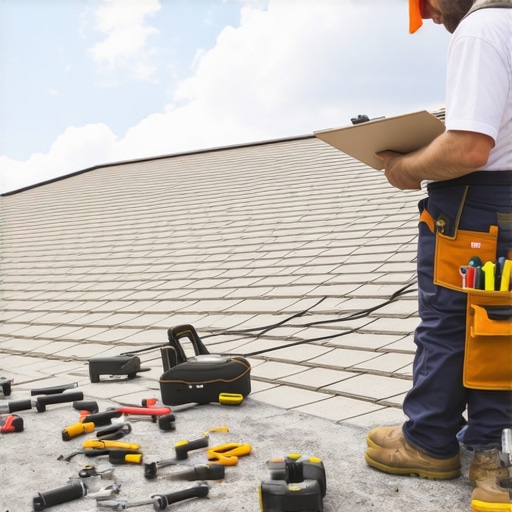
A real forensic roofer will use a moisture meter or thermal imaging before they even give you a quote. If they are just glancing at the roof from the ground with a pair of binoculars, their estimate isn’t worth the paper it’s printed on. They haven’t seen the ‘shiners,’ the ‘crickets,’ or the ‘dry-rotted fascia.’ They are guessing. And when a roofer guesses, the homeowner pays for the error.
The True Cost of ‘The Quick Fix’
I’ve seen homeowners opt for the cheaper quote, only to call me three years later when their ceiling is sagging. By then, the $10,000 repair has become a $40,000 structural remediation. The humidity in the attic has caused the rafters to mold, and the ‘cheap’ shingles are curling because the ventilation was never addressed. In the Southwest, thermal shock is the enemy. Without proper intake and exhaust—something local roofers often skip to save on labor—your roof is essentially being slow-cooked from both sides. The extra $2,000 for high-quality ridge vents and soffit baffles is the difference between a 30-year roof and a 10-year disaster.
Conclusion: Demand a Forensic Inspection
The next time you get a quote for a tile roof or a TPO roofing project, don’t ask about the price. Ask about the ‘assembly.’ Ask how they handle the transitions. Ask what happens if they find wet insulation. If they give you a vague answer, keep looking. Your roof is the only thing standing between your family and the elements. It’s not the place to go bargain hunting. A transparent, high-priced quote from a veteran who explains the physics of your specific house is always cheaper in the long run than the ‘double-bill’ you get from a trunk-slammer who discovered he was in over his head.
Comments are closed.