The Forensic Reality of the 2026 Tile Roof Market
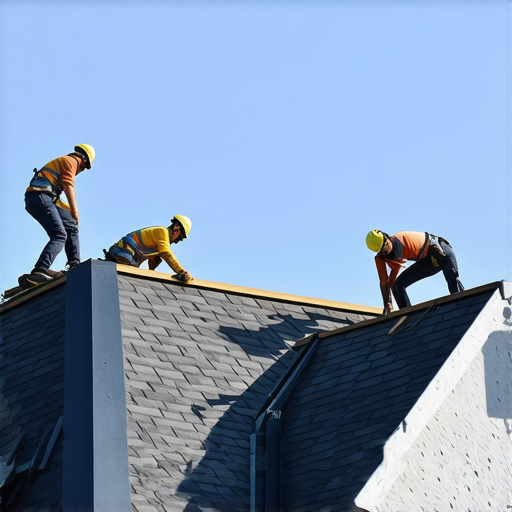
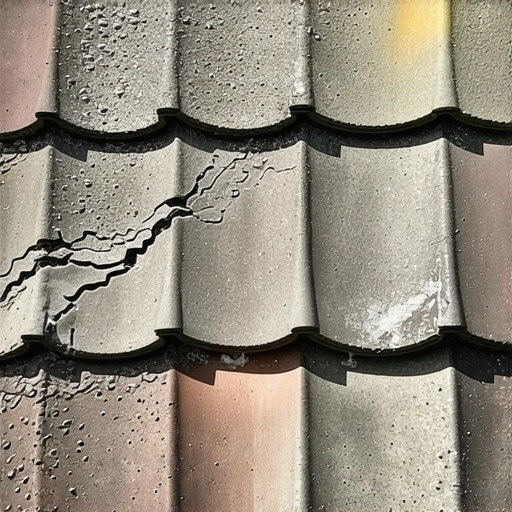
Walking on that roof felt like walking on a minefield of brittle clay. As my boots crunched through the hairline fractures, I didn’t need to pull a single tile to know exactly what I’d find underneath. In the 115-degree heat of the Southwest desert, the underlayment had turned from a waterproof barrier into something resembling burnt parchment. This is the reality I see every week: homeowners who spent thirty thousand dollars on a ‘forever’ roof only to find their living room ceiling sagging three years later. The problem wasn’t the tile; it was the quote they signed. In 2026, the gap between a high-performance installation and a ‘trunk slammer’ special has never been wider. If you are looking at a bid from local roofers right now, you aren’t just buying materials; you are buying a physics experiment. If the variables are wrong, the experiment fails, and your attic pays the price.
“The roof shall be covered with materials that are compatible with the environment and the slope of the roof deck, ensuring that underlayment provides the primary moisture barrier in tile systems.” – International Residential Code (IRC) R905.3
1. The Underlayment Bait-and-Switch
The biggest red flag in any tile roof quote is a vague description of the underlayment. In our desert climate, the tile is just the ‘UV shield.’ The real roof is the black stuff underneath. If a contractor quotes ‘standard felt’ or a single layer of 30lb paper, they are setting you up for failure. By 2026, the thermal expansion and contraction of concrete tiles—a process called thermal shock—will shred cheap felt within a few seasons. You need to see specific mentions of high-temp self-adhering modified bitumen or premium synthetic underlayment. If they aren’t avoiding basic underlayment mistakes, they aren’t a pro. A quote that doesn’t specify the poundage or the brand of the barrier is a quote designed to hide a cheap margin.
2. Reusing Old Flashing to ‘Save Costs’
I’ve seen ‘reputable’ local roofers try to save a buck by leaving the old lead or galvanized valley flashings in place. This is a death sentence for a new roof. Metal fatigues. It corrodes at the nail penetrations. If your quote says ‘inspect and reuse flashing where possible,’ cross it out. You want a full replacement of all penetrations, including the ‘cricket’—that small peak behind your chimney that diverts water. Without a new cricket, water will pool, find a shiner (a missed nail poking through the deck), and start the slow rot of your plywood. Proper flashing is the difference between a 50-year roof and a 5-year headache.
3. The Absence of Eave Closures and Bird Stops
In 2026, if a quote doesn’t mention bird stops or eave closures, the roofer is lazy. These are the small inserts that plug the gaps at the edge of your tiles. Without them, your roof becomes a high-end condominium for pigeons and bats. Their droppings are highly acidic and will eat through underlayment faster than the sun. Furthermore, these closures prevent wind-driven rain from being pushed up under the first course of tile. It is a small detail that costs a few hundred bucks but saves thousands in premature repair. If you are comparing low-cost tile roof quotes, this is often the first thing they cut.
4. ‘Headlap’ and the Physics of the Sideways Rain
Ask a roofer how much headlap they plan on. If they look at you like you have two heads, fire them. Headlap is the distance the top tile overlaps the tile below it. In areas prone to monsoon-style downpours, insufficient headlap allows for capillary action—where water is literally sucked upward between the tiles. A forensic investigation of a ‘mystery leak’ usually reveals tiles that were stretched too far apart to save money on the tile count. A professional quote will specify the ‘exposure’ of the tile to ensure the physics of water shedding actually works in your favor.
“A roof is only as good as its flashing and the integrity of its fasteners.” – Old Roofer’s Adage
5. The TPO Transition Trap
Many modern homes have ‘hybrid’ roofs where a steep tile section meets a flat patio or garage. Often, contractors will try to use asphalt products for these flat areas. In 2026, you should be looking for TPO roofing for any slope less than 2:12. However, the red flag is how they handle the transition. If the quote doesn’t detail the ‘tie-in’ where the tile overlaps the TPO, you are looking at a future waterfall inside your walls. These two materials expand at different rates. Without a proper transition strip and heavy-duty flashing, the seam will rip open within 24 months. I’ve seen TPO patches fail repeatedly because the roofer didn’t understand the chemistry of the bond.
6. Stainless vs. Galvanized: The Corrosion Clock
If you live anywhere near salt air or high-humidity pockets, galvanized nails are a mistake. A ‘red flag’ quote just says ‘nails.’ An expert quote says ‘stainless steel ring-shank nails.’ Why? Because when the tile shifts—and it will—you don’t want the fastener to snap. In the desert, the extreme heat cycles can actually back galvanized nails out of the wood, creating a ‘shiner’ that lifts the tile and lets the wind get underneath. If the roofer isn’t specifying the fastener type, they are likely using the cheapest box at the big-box store.
7. The ‘Lifetime’ Warranty Smoke Screen
Every trunk-slammer offers a ‘Lifetime Warranty’ in 2026. It’s a marketing gimmick. Read the fine print. Does it cover labor? Does it cover the underlayment failure, or just the ’tile’? Clay tiles technically last 100 years, so a ’tile warranty’ is worthless if the roof leaks underneath them. You want a quote that provides a clear, 10-year workmanship warranty backed by a company that has been around longer than the warranty period. If they are overcharging for a paper-thin warranty, you are being scammed. Check for common local roofer scams before signing anything. Real pros don’t need to hide behind ‘Lifetime’ labels; their material specs speak for themselves.