The Forensic Scene: When the Desert Sun Eats Your Investment
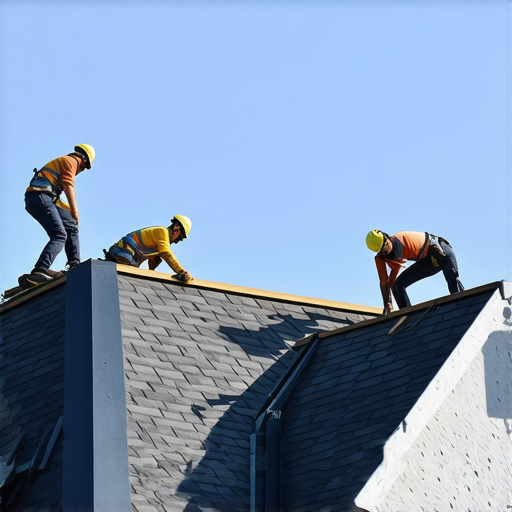
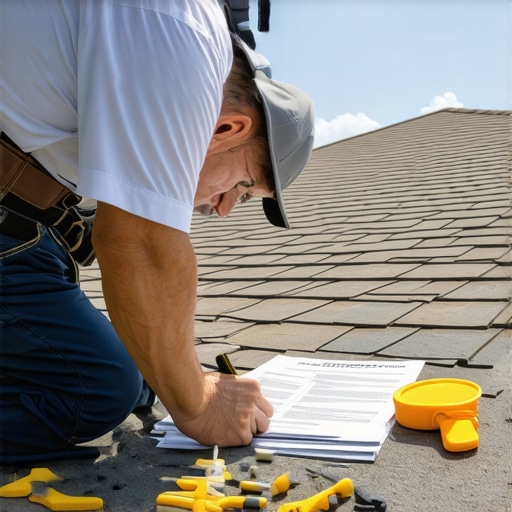
Walking on that roof felt like walking on a sponge. I knew exactly what I’d find underneath before I even pulled a single concrete tile. The homeowner in the high desert was convinced they just had a ‘minor leak,’ but as a forensic roofer with 25 years on the deck, I could smell the rot from the driveway. The sun here is a different kind of beast. It doesn’t just heat the tiles; it bakes the attic until it hits 140°F, turning the underlayment into brittle charcoal. The guy who did the last repair didn’t have a license, and he certainly didn’t understand thermal shock. He used cheap mastic that cracked within three months, leaving the 30-pound felt exposed to the monsoon rains. This is the reality of the 2026 market: a swarm of local roofers who talk big but don’t know a cricket from a shiner.
The Physics of Failure in the Southwest
In our climate, a roof isn’t just a lid; it’s a thermal shield. When you’re dealing with TPO roofing or a tile roof, you aren’t just fighting water; you’re fighting UV radiation and the violent expansion and contraction of materials. If your roofer isn’t licensed, they likely don’t understand the coefficient of thermal expansion. For example, a TPO membrane on a commercial roofing project can move significantly between a 110°F afternoon and a 50°F night. If the roofer used the wrong fastener density or didn’t weld the seams at the right temperature, those seams will pop like a cheap zipper. I’ve seen it happen on high-rise decks where the ‘contractor’ was actually just a crew with a rented heat welder and no insurance. This is why you must vet local roofers with extreme prejudice. If the 2026 tile roof quote is too low, it is usually because they are skipping the legal paperwork that protects you from a lawsuit.
“A roof is only as good as its flashing.” – Old Roofer’s Adage
1. The ‘Active’ Status and Disciplinary History
The first check is the most basic, yet the most ignored. You need to pull the state contractor board’s database. Don’t look for a piece of paper in their truck; look for the digital record. In 2026, many ‘trunk slammers’ are using expired license numbers from retired contractors. You are looking for more than just ‘Active.’ You are looking for a history of verified complaints. If a roofer has a trail of bond payouts behind them, they aren’t ‘experienced’; they are a liability. Many hidden red flags appear in the fine print of these public records. A roofer who changes their business name every two years is running from a bad reputation.
2. Commercial vs. Residential Classification
This is where the scams get sophisticated. A residential license does not qualify someone to touch a commercial roofing system. The physics of a low-slope TPO roofing system are entirely different from a pitched tile roof. Commercial systems require a deep understanding of hydrostatic pressure and drainage. If a residential guy tries to patch a flat TPO deck, he’ll likely use the wrong adhesive, which will dissolve the membrane over time. Always ask: ‘Is your license rated for the square footage and the material of my building?’ If they hesitate, they are probably overreaching. This leads to scams where local roofers overcharge for substandard, unrated work.
3. The Workers’ Comp ‘Ghost’ Policy
This is the most dangerous scam in the industry. A roofer shows you a certificate of insurance, but it’s a ‘ghost policy’ with zero employees covered. When a worker falls off your roof—and in the heat of the desert, heatstroke is a real risk—you are the one who gets sued. For a real commercial roofing job, the workers’ comp premiums are massive. If their bid is significantly lower than others, they are likely cutting corners here. You must call the insurance carrier to verify that the policy is current and covers the actual number of men on your roof. Otherwise, you’re not just buying a roof; you’re buying a million-dollar legal headache.
“The building code is a minimum standard, not a target for excellence.” – National Roofing Contractors Association (NRCA)
4. Manufacturer Certifications: The Warranty Trap
A license from the state is one thing; a certification from the manufacturer is another. Most TPO roofing manufacturers will not honor a warranty if the installer wasn’t certified by them. This is how many commercial roofing warranties become worthless. The roofer tells you that you have a ’20-year NDL (No Dollar Limit) warranty,’ but they didn’t follow the specific fastening pattern required by the manufacturer. When the wind picks up and the roof starts fluttering like a bedsheet, the manufacturer will walk away, and your ‘licensed’ roofer will be nowhere to be found. Mechanism Zooming: When a TPO roof isn’t attached correctly, it creates a vacuum effect. The air infiltration from the building pushes up while the wind pulls from above, causing the membrane to stretch and eventually tear at the perimeter wood nails.
5. The Municipal Bond and Permit Check
In 2026, many municipalities have increased bond requirements to combat storm chasers. A licensed roofer must be bonded in the specific city where they are working. This bond is your last line of defense if the roofer leaves your valley flashing unfinished or forgets to install a cricket behind your massive chimney. Without a permit, you have no city inspection. Without an inspection, you have no proof the roof was built to code. This is a favorite trick of ‘quick-flip’ roofers. They finish the job in a weekend, take your cash, and never pull a permit. Six months later, you realize they missed every shiner (nails that missed the rafters), and your plywood is starting to swell. Always check contract red flags for the mention of permit fees. If they want you to pull the permit as an ‘owner-builder,’ they are hiding the fact that they don’t have a valid license.
The Bottom Line: Don’t Let the Heat Blind You
The desert is unforgiving. Whether it’s the intense UV destroying a tile roof or the thermal expansion ripping a TPO roofing seam, the quality of the install is the only thing standing between you and a catastrophic loss. These 5 license checks aren’t just bureaucratic hurdles; they are the forensic tools you need to weed out the frauds. Don’t be the homeowner I have to visit in six months to explain why their ‘new’ roof is already failing. Verify the license, verify the insurance, and never trust a roofer who can’t explain the physics of ventilation in a 115-degree climate.