The Knock That Costs Thirty Thousand Dollars
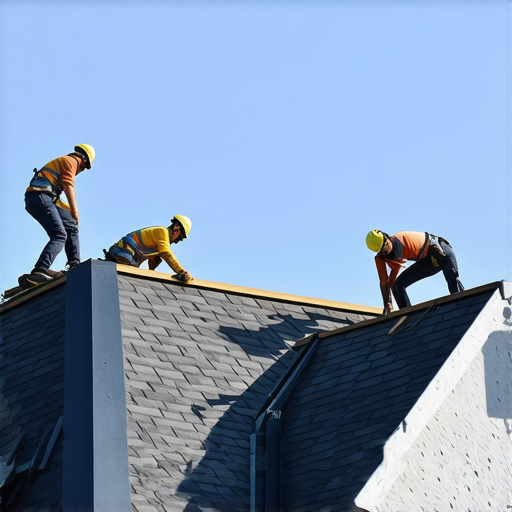
The 2026 storm season hasn’t even reached its peak heat yet, and I am already seeing the white unmarked trucks with out-of-state plates circling these neighborhoods like vultures over a sun-bleached carcass. My name is Jim, and I’ve spent twenty-five years on the roof deck, most of it spent performing forensic autopsies on what people thought were ‘new roofs.’ After a big hail hit, the ‘storm chasers’ descend. They aren’t local roofers; they are marketing companies with hammers. They sell you a dream and leave you with a nightmare of rot and litigation. Walking on one roof last week felt like walking on a sponge. I knew exactly what I would find underneath before I even pulled a single tile. The underlayment had been cooked into a brittle dust by the Southwest sun, and the ‘contractor’ who replaced the tiles two years ago didn’t bother to swap the felt. He just reset the tile roof over a failing substrate to save a buck. Water is patient. It will wait for you to make a mistake, and in this desert heat, those mistakes happen at the molecular level.
“The roof is the most important part of the building envelope, yet it is often the most neglected until it fails.” – National Roofing Contractors Association (NRCA)
The Physics of Failure: Why Your Roof Really Leaks
In the Southwest, our enemy isn’t just the rain; it’s the UV radiation and thermal shock. During a 2026 storm rush, these fake roofers ignore the physics of thermal expansion. A roof deck can hit 160°F by noon and drop to 60°F during a monsoon downpour. That 100-degree swing causes the materials to expand and contract violently. If your installer didn’t leave proper gaps or used the wrong fasteners, you’ll hear the ‘pop’ of a shiner—a nail that missed the rafter and is now a direct conduit for water. When the rain hits, hydrostatic pressure pushes water into those tiny gaps. Under a shingle or a tile, capillary action sucks that water upward, defying gravity, until it finds your plywood. If you are dealing with commercial roofing, the stakes are even higher. I’ve seen TPO roofing installed so poorly that the heat-welded seams weren’t actually fused; they were just ‘cold-stuck.’ Within six months, those seams delaminate, and you have a 20,000-square-foot swimming pool over your warehouse. If you suspect a problem, don’t wait for the ceiling to drip; try the 10-minute garden hose test to find that mystery roof leak before the mold sets in.
The Storm Chaser Blueprint: The “Free Roof” Scam
The hook is always the same: “We can get you a new roof for just the cost of your deductible.” In 2026, this is a red flag big enough to cover a stadium. These ‘fake’ local roofers use aggressive sales tactics to convince you that minor cosmetic hail dings—what we call ‘bruises’—are functional damage. Real functional damage means the asphalt matting is fractured, allowing water to permeate. A cosmetic ding on a vent cap doesn’t justify a $20,000 claim. When the insurance adjuster arrives, the fake roofer will try to ‘help’ by chalking up every tiny imperfection. If you fall for this, you’re participating in insurance fraud. Furthermore, these guys often ‘waive’ the deductible, which is illegal in most jurisdictions. They make up the difference by cutting corners on the rooofing materials, using ‘seconds’ or expired underlayment that shouldn’t be on a doghouse, let alone your home. You can learn more about these 6 scams local roofers use to overcharge you in 2026 to protect your wallet.
The TPO and Tile Trap: Complexity is the Enemy
Fake contractors love TPO roofing because it looks easy to install. It’s just a giant white tarp, right? Wrong. TPO requires precise robotic welding at specific temperatures. If the welder moves too fast, the seam is weak. If it moves too slow, the membrane burns. Most of these storm-rush crews don’t even own a robotic welder; they use hand-welders and prayer. This leads to catastrophic failure. It is a known fact that most 2026 TPO roof patches fail within 6 months because the installers don’t properly prep the weathered membrane. The same goes for a tile roof. The tile itself lasts 50 years, but the underlayment is the true hero. A fake roofer will give you a low-ball quote because they plan to reuse your old, sun-baked flashings and 30-pound felt. If the price seems too good to be true, is your 2026 tile roof quote too low? Check those red flags before you sign. A real veteran knows that the valley and the cricket—the small diverter behind a chimney—are where roofs live or die. If those aren’t flashed with heavy-gauge metal, the roof is a ticking time bomb.
“A roof is only as good as its flashing.” – Old Roofer’s Adage
How to Spot the Imposter in 10 Minutes
A true local contractor has a physical office you can visit, not just a P.O. Box or a Gmail address. Ask them about the square count—the 100-square-foot units we use to measure roofs. If they can’t explain the waste factor or the specific ventilation requirements for your attic, kick them off the property. Fake roofers hate educated homeowners. They want you to sign a ‘Direction to Pay’ form immediately. Don’t do it. Instead, perform these 5 license checks for local roofers to avoid 2026 scams. Check their workers’ comp insurance; if a ‘trunk slammer’ falls off your roof and doesn’t have insurance, he can sue you. In the aftermath of a storm, you might need 4 immediate emergency roofing fixes after 2026 hail damage, but ’emergency’ doesn’t mean ‘reckless.’ A tarp is a temporary fix; a bad roof is a permanent liability. Don’t let the 2026 storm rush turn your biggest asset into a forensic scene. Demand a contractor who knows the difference between a cricket and a valley and isn’t afraid to show you the permits to prove it.