The Illusion of Protection: A Forensic Look at Commercial Coverage
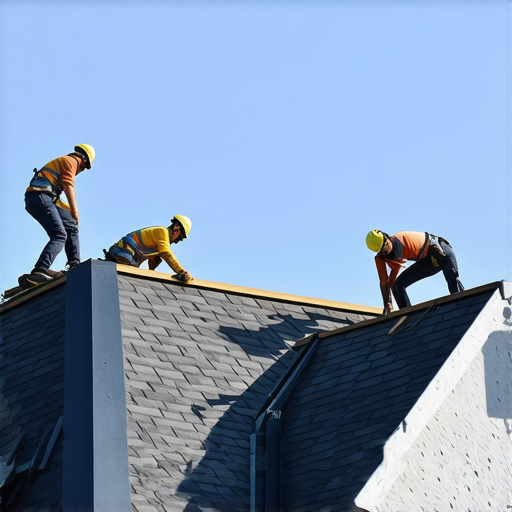
Walking on that TPO roof felt like walking on a giant, sun-baked sponge. I knew exactly what I’d find underneath before I even pulled my core sampler out of my tool belt. It was a mid-July afternoon in the high-altitude heat, where the UV rays don’t just tan your skin; they cook the molecular bonds of thermoplastic membranes. As I stepped near a scupper, the membrane felt detached, floating over a saturated mess of polyiso insulation that had lost all its R-value months ago. The owner stood next to me, clutching a ’20-Year NDL’ warranty like it was a golden ticket. I had to be the one to tell him that, in the eyes of the manufacturer, that piece of paper was about as useful as a screen door on a submarine.
If you are a building owner in 2026, you are being sold a bill of goods. The TPO roofing industry has reached a saturation point where marketing departments have outpaced engineering realities. We are seeing a massive surge in ‘premature aging’ across commercial portfolios, and the fine print in modern warranties is designed specifically to exclude the physics of how roofs actually fail. Whether you are dealing with commercial roofing in the scorching Southwest or the hail-prone plains, the ‘Lifetime’ promise is often a mirage designed to get you to sign a contract with local roofers who might not even be in business when the first seam starts to curl.
Mechanism Zooming: The Physics of the ‘Invisible’ Leak
To understand why your warranty won’t save you, you have to understand how water moves. It isn’t just gravity; it’s capillary action and hydrostatic pressure. When a TPO roofing seam is ‘cold-welded’—meaning the robotic welder was moving too fast or the generator fluctuated—the bond looks perfect to the naked eye. But at a microscopic level, there are voids. During a heavy rain, water doesn’t just sit there. It gets sucked into those voids. Once it’s under the membrane, it doesn’t just stay in one spot. It travels horizontally, following the slope of the metal deck, often dripping thirty feet away from the actual hole. This ‘sideways migration’ is the bane of commercial roofing forensics. Manufacturers love this because if they can’t ‘conclusively’ prove the material failed rather than the installation, they won’t pay a dime. And trust me, they have better lawyers than you do.
“A roof is only as good as its flashing. Without proper termination, even the thickest membrane is a liability.” – Old Roofer’s Adage
The TPO vs. Tile Roof Debate in High-UV Zones
In regions like Phoenix or Denver, the thermal shock is what kills a roof. You go from 140°F on the surface at 3 PM to 65°F at 3 AM. This constant expansion and contraction puts immense stress on the fasteners. I’ve seen ‘shiners’—those missed nails or over-driven screws—back themselves right out of the deck because of this movement. While a tile roof offers incredible thermal mass and longevity, many commercial structures aren’t engineered for that dead load. So, we turn to TPO or EPDM. But here’s the trap: the ‘reflective’ white surface that helps your energy bill actually accelerates the degradation of the polymer stabilizers if the material isn’t top-tier. You end up with ‘chalking,’ where the top layer of your roof literally rubs off on your finger like flour. If you see this, your 2026 warranty is likely already void because you didn’t ‘properly maintain’ the surface according to the 30-page manual you never read.
Why Your ‘Reliable’ Local Roofers Might Be Part of the Problem
The gap between a master technician and a ‘trunk slammer’ is wider than ever. I’ve seen local roofers try to save a buck by skipping the cricket—that small peaked structure behind a chimney or HVAC unit designed to divert water. Without a cricket, water ponds. When water ponds for more than 48 hours, most TPO warranties are instantly voided. They call it ‘extraordinary environmental conditions.’ I call it physics. If you are avoiding TPO roofing mistakes, you need to look at the drainage, not just the membrane thickness. It’s about the square—the 100 square feet of coverage—and how every single valley and transition is handled.
“The International Building Code requires that roof coverings be installed in accordance with the manufacturer’s instructions, yet 70% of forensic failures stem from basic installation shortcuts.” – NRCA Technical Manual
The ‘Workmanship’ Shell Game
There are two types of warranties: Manufacturer and Workmanship. The manufacturer covers the material (which rarely fails alone), and the contractor covers the labor. But in 2026, roofers are disappearing at an alarming rate. If your contractor goes belly-up, your workmanship warranty goes with them. This is why you must vet local roofers with extreme prejudice. Are they using stainless nails in salt-air environments to prevent galvanic corrosion? Are they double-rolling their adhesives? If you are evaluating a commercial warranty, you need to realize that ‘Labor and Materials’ coverage is only as strong as the company’s balance sheet. Most owners are shocked to find out that ‘No Dollar Limit’ (NDL) doesn’t actually mean they’ll fix everything for free; it just means there’s no cap on the repair cost if they admit fault.
Practical Advice: How to Actually Protect Your Investment
Stop looking at the glossy brochure and start looking at the scuppers. If you see standing water, you have a problem that no warranty will fix. You need to hire someone who understands the signs of failing commercial inspections. A real forensic inspection involves infrared thermography to find moisture trapped in the substrate before it rots the decking. If your commercial roofing professional isn’t using a moisture meter, they are just guessing with your money. Don’t be fooled by the ‘Lifetime’ tag—in the roofing world, ‘Lifetime’ usually refers to the expected life of the product, which is whatever the manufacturer decides it is the day you file a claim. To stay ahead, focus on preventative maintenance, clear drainage paths, and choosing local roofers who can explain the chemistry of their seams, not just the price of their squares. In the end, water is patient. It will wait for you to make a mistake, and it doesn’t care what your warranty says.
This article really opened my eyes about the false sense of security that many building owners have with warranties. I’ve seen so many clients rely solely on the ’20-Year NDL’ promises without understanding the fine print or underlying issues like seam voids and ponding water. It’s concerning how manufacturers can hide behind legal loopholes while the actual physics of water infiltration quietly deteriorate the structure. I particularly agree with the point about the importance of proper drainage—skipping over small details like crickets can lead to significant damage down the line. From my experience managing commercial properties in the Midwest, it’s clear that regular inspections using infrared thermography are essential to catch moisture issues before they escalate. I wonder, what best practices are others using to ensure that their roofing contracts include thorough diagnostics rather than just visual checks? Sharing these insights can help mitigate the risks of relying on warranties that may not cover the real causes of damage.
Reading through this post really nailed the reality of how warranties can be more of a marketing tool than real protection, especially in 2026 and beyond. I’ve worked on several commercial roofing projects where I’ve seen owners be lavished with promises of ‘lifetime’ coverage, only to find out later that the fine print exempted issues like seam voids or ponding water, which are often overlooked during quick inspections. What struck me most is the emphasis on the microscopic level of failure—voids in the seams and invisible leaks—that water follows, making waterproofing a lot more complex than it appears visually. I agree with the suggestion of infrared thermography, but I wonder how many property owners really understand or invest in regular forensic inspections? They seem to believe that a warranty covers everything, yet the physics of water migration tell a different story. Have others found reliable, proactive measures to reduce the risk of damages that warranties simply can’t cover? It feels like a game of insurance versus actual maintenance, and understanding this could save a lot of headaches down the road.