Stop Climbing Ladders: Why Smart Permanent Outdoor Lighting is the Last Move You’ll Make
For decades, the transition into the holiday season has been marked by a ritual that most homeowners secretly dread: the “Ladder Era.” It begins with unearthing tangled nests of incandescent bulbs from the attic, followed by a precarious afternoon spent balancing on aluminum rungs in freezing temperatures. You clip, you staple, and you pray that the fuse doesn’t blow the moment you plug them in. By January, those same lights often stay up far too long, becoming an eyesore simply because the prospect of climbing back up that ladder in the snow is too much to bear.
As a technology design specialist, I’ve watched the smart home revolution transform everything from our thermostats to our security systems. Now, that innovation has finally reached the eaves of our homes. Smart permanent outdoor lighting represents the end of the ladder era. It is a “set it and forget it” solution that transcends seasonal decoration, evolving into a year-round architectural asset. When you consider how high-value exterior upgrades – like those mentioned in our guide on 4 Roofing Materials That Boost 2026 Resale Value [Updated] – can transform a property, permanent lighting stands out as the ultimate functional finishing touch.
This isn’t just about Christmas. It’s about enhancing safety, boosting curb appeal, and integrating your home’s exterior into a sophisticated, automated ecosystem. In this guide, we will explore why making the switch to permanent lights for house exteriors is the smartest investment you can make for your home in 2026.
What Exactly is Smart Permanent Outdoor Lighting?
To the casual observer, permanent outdoor lights might look like standard holiday fair, but the underlying technology is vastly different. Unlike the temporary “string lights” of the past, these systems are engineered for decade-long durability and high-fidelity performance.
The Power of RGBIC Technology
Modern systems utilize RGBIC (Red, Green, Blue, Independent Control) technology. Traditional RGB lights change the color of the entire strand at once. RGBIC allows each individual LED diode to be controlled independently. This means you can create sophisticated gradients, “chasing” patterns, or highlight specific architectural features of your home with different colors simultaneously. If you want your gables to glow soft white while your entryway features a subtle amber hue, RGBIC makes it possible.
Discreet Architectural Integration
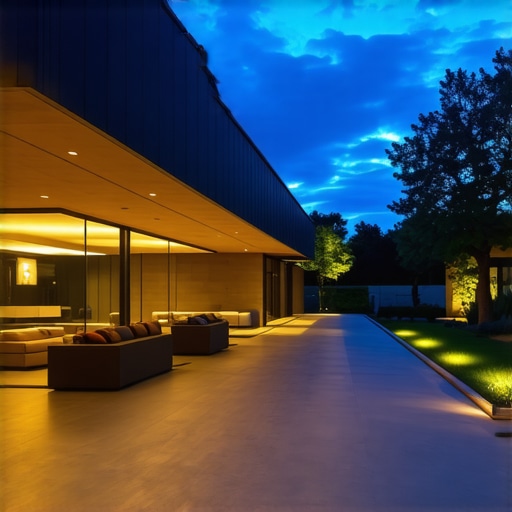
One of the biggest hurdles for homeowners is the “daytime look.” No one wants to see plastic clips and wires dangling from their gutters in July. High-quality permanent lights for house exteriors are housed in professional-grade tracks (often called PermTracks) that are color-matched to your home’s soffit or fascia. During the day, the system is virtually invisible, blending seamlessly into the roofline. At night, the LEDs point downward or toward the siding, creating a “wall wash” effect that mimics high-end architectural lighting found at luxury resorts.
Built to Withstand the Elements
Durability is where professional systems like Haven Lighting or Govee Pro shine. These units typically carry an IP67 waterproof rating. This means they are not just “water-resistant” but are fully protected against dust ingress and can withstand powerful jets of water or temporary immersion. Whether it’s a summer thunderstorm or a week of sub-zero temperatures, these systems are designed to stay mounted and functional without degradation of the LED chips or the housing.
The Safety and Convenience Factor
The primary motivator for most homeowners moving toward smart permanent outdoor lighting isn’t actually aesthetics – it’s safety. Every year, thousands of emergency room visits are attributed to ladder-related falls during the holiday season. The risk is compounded by the fact that most people are climbing these ladders on uneven, icy ground while carrying bulky boxes of lights.
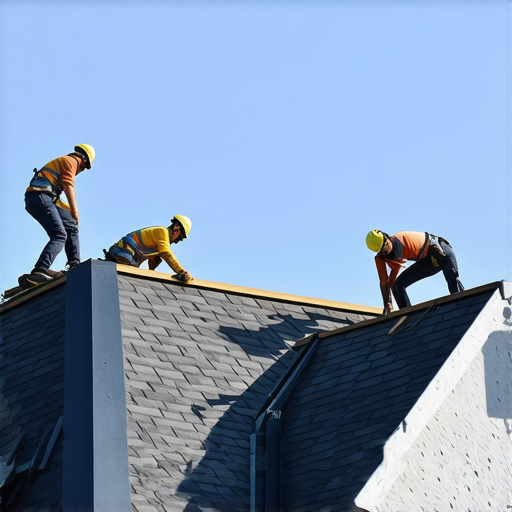
By opting for a one-time professional installation, you effectively eliminate this annual risk. A professional crew, equipped with the right safety harnesses and lift equipment, handles the dangerous work once. For the next decade or more, your feet stay firmly on the ground. This focus on exterior safety is a natural extension of overall home maintenance. Just as you wouldn’t ignore 6 Residential Roofing Services You Can’t Skip in 2026 to ensure your structure’s integrity, installing permanent lighting ensures your personal safety by removing a recurring hazard.
Convenience is the secondary pillar. With smart integration, your lights are controlled via a smartphone app or voice commands through Alexa, Google Home, or Matter-enabled hubs. You can schedule your lights to turn on at sunset and off at sunrise, or even sync them with your local weather forecast. Forget the days of running out to the garage in your pajamas because you forgot to unplug the timer; your home handles the logistics for you.
Beyond Christmas: Year-Round Versatility
The term “Christmas lights” is a misnomer when discussing permanent installations. These systems are designed for 365 days of utility. In the smart home industry, we view these as **architectural lighting** first and holiday lighting second.
- Security Lighting: Many systems can be integrated with motion sensors or security cameras. If a camera detects movement at 3:00 AM, your eaves can immediately flood with bright, 4000K cool white light, acting as a massive deterrent to intruders.
- Architectural “Wall Washing”: On a standard Tuesday night, you don’t want flashing red and green lights. Instead, you can set the system to a dim, warm white (2700K). This provides a high-end “wash” on your siding that highlights the texture of your home and provides enough ambient light for safe navigation of walkways.
- Event Themes: Whether it’s the 4th of July (Red, White, and Blue), Halloween (Orange and Purple), or even “Game Day” colors for your favorite sports team, the customization is endless. Many homeowners also use their lights to show support for causes, such as pink for Breast Cancer Awareness month.
While DIY kits available on Amazon offer some of these features, professional-grade systems offer deeper integration. For instance, high-end controllers allow for “zoning,” where the front of the house can have one theme while the backyard patio area has another, all managed from a single interface.
The Financial Case: ROI and Energy Efficiency
The initial cost of permanent outdoor lighting often causes a moment of hesitation for homeowners. However, when you break down the numbers over a 10-year horizon, the “expensive” permanent system often proves to be the more economical choice.
Amortization vs. Seasonal Costs
The average cost to hire a professional crew to hang and remove temporary holiday lights ranges from $500 to $1,000 per year, depending on the size of the home and the complexity of the roofline. Over ten years, that is a $5,000 to $10,000 expenditure on a service that leaves you with nothing to show for it in the off-season. A permanent installation, while requiring a higher upfront investment, pays for itself within 5 to 7 years. After that point, your holiday lighting is effectively “free.”
Energy Savings and Longevity
Modern LED eaves lighting is incredibly efficient. According to Energy.gov, LEDs use at least 75% less energy than traditional incandescent lighting. Furthermore, professional-grade LEDs are rated for approximately 50,000 hours of use. If you run your lights for 6 hours every night, the system could theoretically last over 22 years. This long-term efficiency mirrors the benefits of other energy-conscious exterior upgrades, such as those found in our list of 5 Residential Roofing Services to Lower Your 2026 Utility Bills.
Installation: Professional vs. DIY
When deciding to invest in permanent lights for house exteriors, the biggest question is whether to tackle the project yourself or hire a specialist.
The DIY Path: Kits like Govee’s permanent outdoor lights have made this accessible to the handy homeowner. These kits use VHB (Very High Bond) tape and plastic clips. While effective, they often lack the “clean” look of a professional track system. Managing “voltage drop” (where the lights at the end of the string are dimmer than the ones at the start) can also be a technical challenge for larger homes.
The Professional Path: A professional installer will use custom-cut aluminum tracks that match your home’s trim. They handle the complex electrical work, ensuring the power supply is tucked away in a weather-proof box or inside the garage. Most importantly, they ensure the wiring is hidden. A professional install looks like it was built into the home by the original architect, not added as an afterthought.
If you are looking for local expertise to handle the heavy lifting, professional services in your area can ensure the job is done to code and with maximum aesthetic impact:
Maintenance and Longevity in 2026
As we move further into 2026, the technology behind these systems continues to mature. However, longevity is not just about the lights themselves; it’s about the surface they are attached to. Permanent lighting tracks are typically mounted to the soffit or the fascia board. It is vital to ensure these areas are in good repair before installation.
Extreme weather – ranging from high UV exposure in the summer to heavy ice damming in the winter – can put stress on any exterior attachment. Much like how you would Stop Tile Roof Cracks with 5 Maintenance Steps, you should occasionally inspect your lighting tracks for any signs of loosening or debris buildup. High-quality systems are designed to accommodate thermal expansion, meaning the tracks won’t warp or buckle as the temperature shifts from day to night.
If a single LED diode fails, professional systems are designed for easy repair. Instead of replacing the entire 100-foot strand, a technician can simply swap out the individual 12-inch segment or the specific bulb, ensuring your home stays illuminated without the waste of traditional products.
Conclusion: The Future of Your Home’s Exterior
The transition to smart permanent outdoor lighting is more than just a trend; it is a fundamental shift in how we maintain and enjoy our homes. By eliminating the dangers of the “ladder era,” you are investing in your own safety and peace of mind. Simultaneously, you are adding a sophisticated layer of architectural beauty and security that works for you every single night of the year.
Stop risking your safety on a ladder every November. Invest in a system that enhances your home’s value, lowers your long-term costs, and gives you complete creative control over your curb appeal. Whether it’s for a holiday celebration or a quiet Tuesday evening, your home deserves to shine.