5 Residential Roofing Services to Lower Your 2026 Utility Bills
As we navigate through 2026, homeowners across the country are facing a sobering reality: utility costs have surged by an estimated 10-20% over the last twenty-four months. Between fluctuating energy markets and increasingly extreme weather patterns, the cost of maintaining a comfortable indoor climate has become a primary line item in the family budget. However, most homeowners overlook their home’s first line of defense – the roof.
My name is Michael Odynski, a Solar and Roofing Consultant dedicated to helping property owners transform their homes into energy-efficient assets. Throughout my career, I have seen the “energy gap” firsthand – the massive difference between a standard roof and one optimized for thermal performance. In 2026, residential roofing services are no longer just about stopping water from entering your living room; they are high-ROI financial investments designed to slash your cooling and heating expenditures.
The thesis for this year is simple: your roof is a thermal envelope. If that envelope is compromised by outdated materials or poor ventilation, you are effectively throwing money out the window – or rather, through the shingles. Data suggests that energy-efficient roofing upgrades can reduce cooling costs by 10-15% in most climates, providing a rare opportunity to hedge against rising utility rates. This guide breaks down the five essential services you need to consider this year to secure your home’s financial and structural future.
I. “Cool Roof” Technology & Reflective Coatings
The concept of “Cool Roof” technology is one of the most effective weapons in the fight against high energy bills. Standard asphalt shingles, particularly darker colors, act as thermal sponges. On a 90-degree day, a traditional dark roof can reach temperatures exceeding 150 degrees Fahrenheit. This heat is then transferred directly into your attic and living spaces, forcing your HVAC system to run continuously.
Modern residential roofing services now offer highly reflective shingles and specialized coatings designed to redirect solar energy. These materials are rated by their Solar Reflectance Index (SRI). A high SRI indicates that the material reflects UV rays and emits absorbed infrared energy rather than conducting it into the home. For homeowners not ready for a full replacement, professional-grade reflective coatings can be applied to existing flat or low-slope roofs to achieve similar results.
The technical difference is staggering. While standard asphalt shingles might reflect only 5-15% of sunlight, “cool” shingles or coatings can reflect up to 65% or more. This drastically reduces the “heat island effect” around your property. If you are considering how these materials impact your home’s long-term worth, be sure to read our guide on 4 Roofing Materials That Boost 2026 Resale Value [Updated]. By choosing materials that keep the structure cool, you aren’t just saving on utilities; you are extending the lifespan of the roofing granules and the underlying decking by reducing thermal expansion and contraction.
II. Advanced Attic Ventilation & Insulation Integration
Even the most reflective roof in the world cannot save you if your attic is a pressure cooker of trapped heat. One of the most critical residential roofing services we provide involves a comprehensive audit of attic ventilation. Many older homes rely on “passive” ventilation that is simply insufficient for 2026’s record-breaking summer temperatures. When heat is trapped in the attic, it creates a “hot spot” that radiates downward through your ceiling, rendering your insulation less effective.
The solution is a balanced system of intake and exhaust. We look for a precision-engineered combination of ridge vents, soffit vents, and, increasingly, solar-powered attic fans. These fans are particularly effective because they operate at peak capacity when the sun is strongest – exactly when you need the most airflow. By maintaining a constant flow of ambient air, we can keep attic temperatures within 10-20 degrees of the outside air, rather than letting it climb to 140+ degrees.
Furthermore, proper ventilation prevents moisture buildup. In the winter, warm air from the home can condense on the underside of the roof deck, leading to mold and wood rot. This degradation of materials can lead to “silent” leaks that destroy your R-value (insulation effectiveness). If you suspect your current system is failing, learn How to Detect a Roof Leak: 5 Fast Ways to Save Your Home in 2026 to prevent a minor ventilation issue from becoming a major structural failure.
III. Solar-Ready Roofing & IRA Tax Credit Optimization
The year 2026 is a pivotal moment for homeowners looking to leverage federal incentives. The Inflation Reduction Act (IRA) has provided significant tailwinds for energy-efficient upgrades, but time is of the essence. Specifically, the Energy Efficient Home Improvement Credit (Section 25C) allows homeowners to claim up to **$3,200 annually** for specific energy-saving improvements.
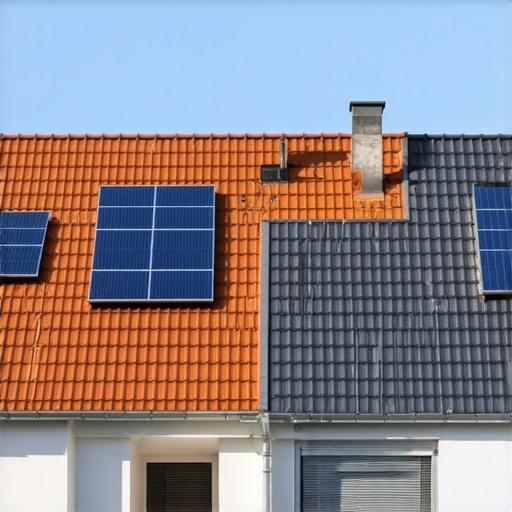
While the roof itself is often excluded from 25C, the components that make it energy-efficient – such as specialized attic insulation and air sealing – qualify for a credit of 30% of the cost, up to $1,200. More importantly, the Residential Clean Energy Credit (Section 25D) provides a **30% tax credit** for solar roofing integration, including solar shingles and traditional panels. This credit is at its full 30% strength through 2032, but many local utility rebates and specific construction deductions are slated to expire for projects beginning after June 30, 2026.
Investing in a “solar-ready” roof now ensures that your structure can support the weight and electrical requirements of solar technology without requiring a second tear-off in three years. This proactive approach is a cornerstone of Michael Odynski’s consulting philosophy: build for the future of the grid, not just the weather of today. However, be wary of predatory pricing in this high-demand year. Check out our breakdown of 5 TPO Roofing Price Traps to Avoid for 2026 Projects to ensure your commercial or flat-roof upgrades stay within budget.
According to the IRS and Energy.gov, the goal of these credits is to reduce the national energy load. By combining a new roof with solar or high-performance insulation, you are essentially using the government’s money to subsidize a project that will pay for itself via reduced utility bills within 7 to 10 years.
IV. High-Performance Material Upgrades (Metal & Tile)
If your budget allows for a long-term play, upgrading to metal or tile is one of the smartest financial moves you can make in 2026. Metal roofing, in particular, has seen a massive surge in residential popularity due to its incredible thermal mass properties. Unlike asphalt, which stores heat, metal reflects it and cools down almost instantly once the sun sets.
Metal and tile roofs are also “lifetime” roofs, often lasting 50 to 70 years. This longevity means you aren’t just saving on energy; you are eliminating the need for three subsequent roof replacements over the next half-century. In regions prone to hail or high winds, these materials provide a level of security that asphalt simply cannot match. For those in the Colorado region, it is vital to vet your contractors carefully; see our report on 7 Denver Metal Roof Installers Red Flags to Spot in 2026.
For a more Mediterranean or traditional aesthetic, tile offers natural air pockets that act as a secondary layer of insulation. Whether you choose clay, concrete, or synthetic tile, the “thermal lag” provided by these materials keeps your home cooler in the day and warmer at night by slowing the transfer of heat. If you are concerned about durability, read more about 7 Durable Tile Roof Materials to Outlast 2026 Storms.
V. Precision Maintenance & Thermal Leak Detection
The most expensive energy bill is the one you don’t know you’re paying. Many homes suffer from “thermal leaks” – areas where insulation has settled, or where a minor roof leak has saturated the batting, turning your insulation into a heat conductor rather than a barrier. Precision maintenance services now utilize FLIR (Forward-Looking Infrared) thermal imaging to identify these invisible energy drains.
By conducting a thermal audit, roofing professionals can pinpoint exactly where heat is escaping. This allows for surgical repairs rather than a “shotgun” approach of replacing everything. Often, a few hundred dollars in targeted air sealing and insulation touch-ups can save thousands over the life of the roof. If you’ve already noticed signs of trouble, don’t wait. Review Found Water Spots? 6 Tricks to Detect a Roof Leak Fast [2026] to identify the source before the mold – and the utility bills – get out of control.
Conclusion: Make 2026 the Year of Efficiency
The landscape of homeownership is changing. In 2026, a roof is no longer a passive component of your house; it is an active participant in your financial health. By leveraging modern residential roofing services – from cool coatings and advanced ventilation to solar integration and high-performance materials – you can insulate yourself from the volatility of energy prices.
Remember, the federal tax credits and local incentives available right now are designed to reward early adopters. Don’t leave money on the table. Contact the team at Alamo Roofing today to schedule a comprehensive energy-efficiency audit. Whether you need a simple maintenance check or a full solar-ready installation, we are here to help you navigate the complexities of 2026 roofing. For expert consultation and industry-leading service, trust Peak to Peak Roofing and Exteriors to protect your home and your wallet.