The Saturated Truth: Why Your Quick Fix Is a Ticking Clock
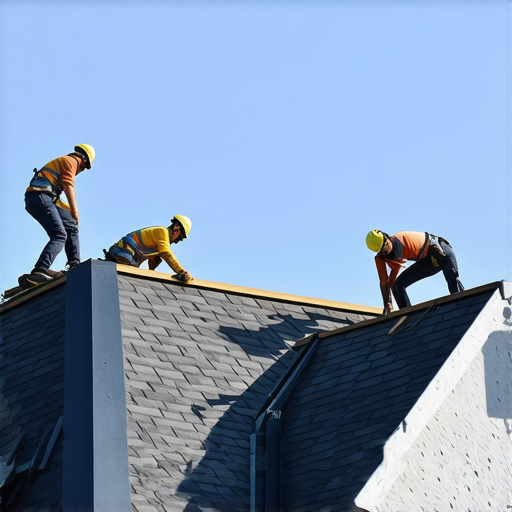
Walking on that roof felt like walking on a sponge. I knew exactly what I’d find underneath before I even pulled my knife from my belt. It was a scorching July afternoon in Dallas, the kind where the TPO roofing is hot enough to soften the soles of your work boots. The property manager had called me out because a patch he’d paid for just three months ago was already leaking. As I stepped toward the HVAC unit, the membrane buckled. That ‘squish’ sound is the death knell of a commercial system; it means the polyiso insulation board below has turned into a reservoir. The patch—a messy glob of silver mastic and some ‘peel-and-stick’ tape—was peeling back like a bad sunburn. This is the reality of modern commercial roofing: owners are being sold on cheap repairs that physically cannot withstand the physics of the roof deck.
The Physics of Failure: Why Adhesion Is a Myth on Weathered TPO
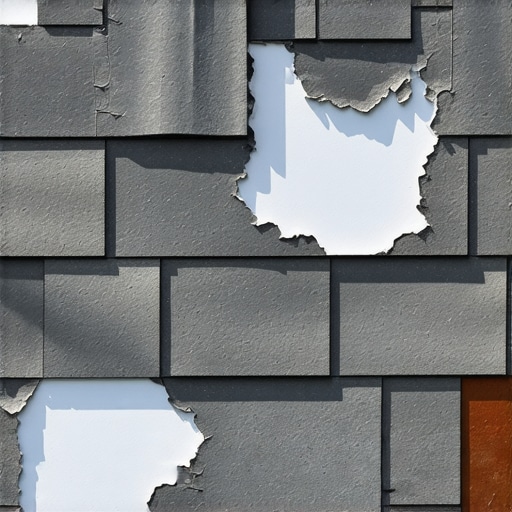
To understand why most 2026 repairs fail, you have to understand the chemistry of Thermoplastic Polyolefin. When TPO is new, it’s a dream to work with. You take a robotic hot-air welder, crank it to 1,100°F, and you fuse two sheets into one monolithic piece. But TPO is a ‘living’ material. From the second it’s installed, it begins to lose its plasticizers. In high-heat regions, the UV radiation beats the deck, causing the polymer chains to degrade. This creates a ‘weathering film’—a chalky, oxidized layer that prevents any new material from bonding. Most local roofers skip the cleaning phase. They don’t use the specialized weathered-membrane cleaners; they just slap on some primer and a patch. Within six months, the thermal expansion—the roof’s natural breathing as it heats and cools—tears that weak bond apart. Water then enters via capillary action, pulled sideways under the patch by the vacuum created during cooling cycles.
“A roof is only as good as its flashing, and a patch is only as good as its molecular bond.” – Old Roofer’s Adage
The ‘Band-Aid’ vs. The Surgery
When you hire roofers who offer a ‘quick fix’ for a TPO roofing leak, you’re often just buying a very expensive Band-Aid. The ‘Band-Aid’ approach usually involves TPO tape or silicone-based sealants. While these materials have their place, they are often used to cover up underlying structural issues. If your roof is suffering from is-your-commercial-roof-pooling-5-fast-2026-drainage-fixes, a patch won’t do a damn thing. The weight of the standing water creates hydrostatic pressure that forces moisture through the microscopic pores of the repair. True ‘surgery’ requires a forensic approach: cutting out the wet insulation, replacing the board, and hot-air welding a new square of TPO over the area. This requires a technician who knows how to ‘scuff’ the old membrane back to its original virgin state before welding. If you see a guy show up with a caulk gun and no generator for a welder, send him home; he’s about to waste your money.
The Southwest Trap: Thermal Shock and Material Fatigue
In the Southwest, our roofs face a unique enemy: the 100-degree diurnal temperature swing. A white TPO roof can be 160°F in the afternoon and drop to 60°F during a midnight thunderstorm. This constant ‘yo-yo’ effect puts immense stress on the seams. When a patch is applied with a different expansion coefficient than the base membrane, it shears off. This is why many 7-tpo-roofing-mistakes-that-drain-commercial-budgets-in-2026 involve ignoring the elasticity of the repair material. If the patch can’t stretch as much as the roof, it’s going to fail. We often see this when people try to use materials designed for a tile roof on a flat commercial deck. The physics are entirely different. A tile roof relies on shedding water; a TPO roof must be a bathtub.
“Roofing systems must be designed to withstand the structural, thermal, and weather-related loads of the specific climate zone.” – International Building Code (IBC)
Contractor Red Flags: The ‘Trunk Slammer’ Special
If you’re hunting for 5-tpo-roofing-price-traps-to-avoid-for-2026-projects, you’ll find them in the low-bid section of your inbox. Reliable local roofers will tell you that a TPO repair isn’t a ten-minute job. If a contractor doesn’t perform a moisture probe or use an infrared camera to check for wet insulation, they are guessing. And in commercial roofing, guessing is expensive. I once saw a ‘pro’ try to fix a valley leak by pouring a gallon of roof cement over a TPO seam. The chemicals in the cement actually ate through the membrane, turning a $500 repair into a $15,000 deck replacement. Always check that your contractor is certified by the manufacturer (GAF, Carlisle, or Firestone) to perform repairs, otherwise, you’re voiding your NDL (No Dollar Limit) warranty.
The Final Verdict on 2026 Maintenance
Don’t let a small leak turn into a full-scale forensic investigation. Most why-commercial-roofing-inspections-fail-5-signs-to-watch-in-2026 happen because the owner waited too long. If you see a ‘shiner’ (a fastener backing out of the membrane) or a cricket that isn’t diverting water properly, fix it now. But fix it right. Use a hot-air welder, use the correct cleaners, and never trust a patch that was applied in the rain. Your roof is the only thing protecting your inventory and your tenants; don’t treat it like a DIY project. Hire experts who understand that water is patient—and it will always find the one spot where you cut a corner.