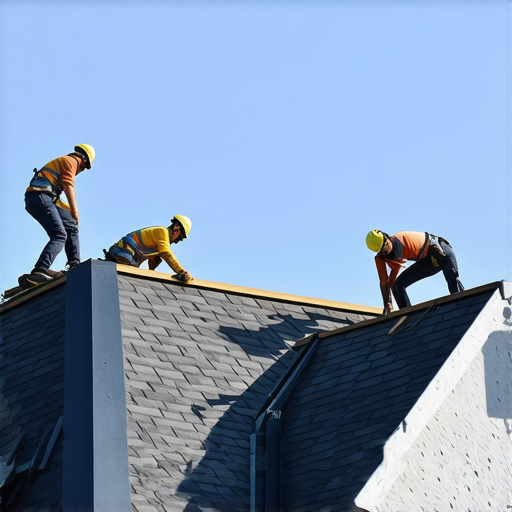
![Found Water Spots? 6 Tricks to Detect a Roof Leak Fast [2026]](https://alamoroofing.net/wp-content/uploads/2026/04/Found-Water-Spots-6-Tricks-to-Detect-a-Roof-Leak-Fast-2026.jpeg)
Found Water Spots? 6 Tricks to Detect a Roof Leak Fast [2026]
There is a specific kind of dread that sets in when you glance at your ceiling and notice a faint, tea-colored ring spreading across the white drywall. That yellow or brown water stain is more than an aesthetic eyesore; it is a ticking clock. As a roofing consultant and insurance claims expert, I have seen how a minor drip during a spring shower can evolve into a full-scale structural failure if left unaddressed. Understanding how to detect a roof leak on your home is the first step in mitigating damage that could cost tens of thousands of dollars in mold remediation and interior reconstruction.
In 2026, the technology for residential construction has advanced, but the physics of water remain the same. Water is opportunistic. It follows the path of least resistance, often traveling far from its point of entry before it ever manifests as a visible spot on your ceiling. This delay is why roof leak repair must begin with forensic detection, not just a bucket under a drip. If you have found water spots, you are already behind the curve. Use these six expert tricks to find the source fast and protect your investment.
Why Water Spots Are Deceptive: The “Uphill” Reality
The most common mistake homeowners make is assuming the hole in the roof is directly above the stain on the ceiling. In reality, water is a master of “tracking.” When a shingle fails or a flashing gap opens, water enters the attic and hits the top of the roof decking. From there, it may run down the underside of the plywood, cling to a rafter, or travel along a wiring harness until it reaches a low point or an obstruction. Only then does it drop onto your insulation and eventually soak through the drywall.
This is why we use the “uphill” rule for how to detect a roof leak on your home. If you see a stain, you must look higher up the roof slope to find the actual breach. Research from the roofing industry consistently shows that yellow or brown water stains are indicative of water picking up tannins from wood or minerals from insulation as it travels. If you see bubbling or peeling paint, the water may be trapped behind the latex layer, indicating a leak that has been active for weeks, if not months. Immediate roof repair is necessary to prevent the wood from reaching its saturation point, which leads to rot and structural instability.
Trick 1: The Attic “Shiner” Hunt
Before you climb onto your roof, head into the attic. You will need a high-lumen flashlight and a steady foot on the ceiling joists. One of the most common causes of phantom leaks is what we call a “shiner.” A shiner is a nail that missed the rafter during the original installation. Because the nail is exposed to the cold air of the attic while its head is potentially in contact with the underside of a shingle, it acts as a thermal bridge.
During cold nights, moisture in the attic (often from poorly vented bathrooms or kitchens) condenses on these cold nails, forming white frost. When the sun hits the roof the next morning, the frost melts, creating a consistent drip that looks exactly like a roof leak. Look for nails that appear white, rusted, or have a “shimmer” to them under your flashlight. If you find these shiners, the fix is simple: clip the nail with side-cutting pliers so it no longer protrudes into the cold air space. This simple check can save you from unnecessary and expensive roof leak repair bills.
Trick 2: The Controlled Hose Simulation
If the “shiner” hunt comes up empty and the weather is dry, you have to create your own rain. This is a two-person job. One person stays in the attic with a flashlight and a phone, while the other goes onto the roof with a garden hose. The key here is patience and precision. Do not just spray the whole roof; you will never find the source that way.
Start low. Begin at the eaves, just above the gutter line, and soak a small 3-foot section for at least 5 to 10 minutes. The person in the attic should be looking for the first sign of a glisten on the rafters. If nothing appears, move the hose up the roof slightly. Caution: Never use high pressure. High-pressure water can be forced under shingles in a way that natural rain never would, leading to a “false positive” leak. You are looking for how natural gravity affects the water flow. If you are dealing with a complex roof, such as a tile system, you might need to refer to Tile Roof Repair: 5 DIY Mistakes That Ruin Underlayment [2026] to understand how water moves beneath the surface layers.
Trick 3: Auditing the “Usual Suspects” (Penetrations)
Statistically, 90% of roof leaks do not occur in the field of the shingles; they occur at “penetrations.” These are the areas where something breaks the plane of the roof: chimneys, plumbing vents, skylights, and attic fans. When learning how to detect a roof leak on your home, these should be your primary targets.
- Plumbing Boots: These are the rubber seals around the pipes sticking out of your roof. Over time, UV rays rot the rubber, causing it to crack. Even a hairline crack can allow gallons of water in during a heavy downpour.
- Step Flashing: This is the L-shaped metal that protects the junction between a wall and the roof. If a piece has slipped or rusted through, water will channel directly into the wall cavity.
- Skylights: While beautiful, skylights are notorious for leaking. Check the “weep holes” in the frame to ensure they aren’t clogged with debris, forcing water back into the house.
If you have an older home, you might also want to check for 4 Immediate Emergency Roofing Fixes After 2026 Hail Damage, as hail can often crack the plastic housings of vents, creating immediate entry points for water.
Trick 4: The Insulation Moisture Map
Sometimes the water doesn’t leave a clear trail on the wood. If your attic floor is thick with blown-in cellulose or fiberglass batts, the insulation itself acts as a sponge. To find the leak, you need to perform a “moisture map” of the insulation. Wear a mask and gloves, and look for patches of insulation that are matted down, discolored (gray or black), or have a crusty texture on top.
Musty odors are a dead giveaway. Mold can begin to grow within 24 to 48 hours of moisture exposure. If you find a damp patch of insulation, clear it away to see the drywall or floorboards beneath. Often, you will find the water has pooled there, and you can then look directly up to find the corresponding entry point on the roof deck. Remember, damp insulation loses its R-value, meaning your roof leak repair isn’t just about stopping water; it’s about maintaining your home’s energy efficiency.
Trick 5: The Binocular Exterior Scan
Not every homeowner is comfortable on a ladder, and in 2026, safety is paramount. You can often detect the source of a leak from the ground using a high-powered pair of binoculars. On a bright day, stand back from the house and scan the roof systematically, row by row.
Look for “cupping” or “clawing” shingles, where the edges curl upward or downward. This indicates the shingle is reaching the end of its life and is no longer shedding water effectively. Look for missing granules; if you see dark patches on your shingles, the protective ceramic coating has worn away, leaving the asphalt mat exposed to the sun and rain. If you see a significant amount of “shingle grit” in your gutters, it is a sign that your roof’s primary defense is failing. This exterior scan is the first step in determining if you need a simple patch or 6 Residential Roofing Services You Can’t Skip in 2026.
Trick 6: The Drip Edge & Gutter Backflow Test
Sometimes the leak isn’t coming from the top down, but from the bottom up. This is a phenomenon known as capillary action. If your gutters are clogged with leaves and debris, water can back up during a storm. If your roof lacks a “drip edge” (a metal flashing that directs water away from the fascia), the water can wick backward, underneath the first course of shingles.
This type of leak often manifests as water stains on the exterior soffits or the very edge of the interior ceiling near the outer walls. Check your fascia boards for soft spots or rot. If the wood feels “spongy,” water is getting behind the gutter system. Keeping your gutters clear and ensuring a proper drip edge is installed is a critical part of tile roof maintenance and general shingle care. For more on this, see Tile Roof Maintenance: 5 Fixes to Stop Leaks in 2026.
When to Call the Pros: Moving Beyond Detection
While DIY detection can save you time and help you explain the problem to a contractor, roof leak repair is often a job for professionals. As an insurance industry educator, I cannot stress enough the importance of documented proof. If you intend to file an insurance claim for water damage, having a professional roofer provide a “point of origin” report is vital. They have thermal imaging cameras and moisture meters that can see through walls and identify moisture pockets the human eye would miss.
When you are ready to move from detection to restoration, look for professional roof repair services with a proven track record. In the Denver area, finding a reliable partner is essential for navigating the specific challenges of high-altitude weather and rapid temperature swings. You can find highly-rated experts like Peak to Peak Roofing and Exteriors who specialize in identifying these complex entry points and providing long-term solutions.
If you are unsure who to trust, take a moment to review 5 Hidden Signs of Reliable Local Roofers in Denver [2026] to ensure your contractor is licensed, insured, and capable of handling the intricacies of modern roofing systems.
Conclusion & 2026 Maintenance Checklist
Detecting a roof leak early is the difference between a minor repair and a total roof replacement. By using these six tricks – hunting for shiners, simulating rain, auditing penetrations, mapping insulation moisture, scanning with binoculars, and checking for gutter backflow – you take control of your home’s health. Don’t let a small water spot become a major catastrophe. Perform a bi-annual inspection every spring and fall, and if you find evidence of a breach, contact a professional immediately. Your roof is your home’s first line of defense; make sure it’s a strong one.