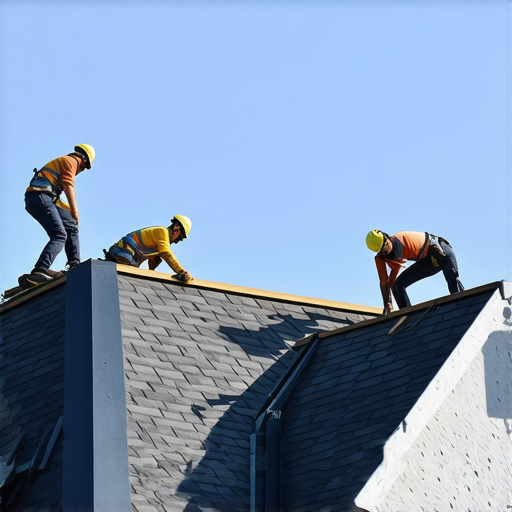
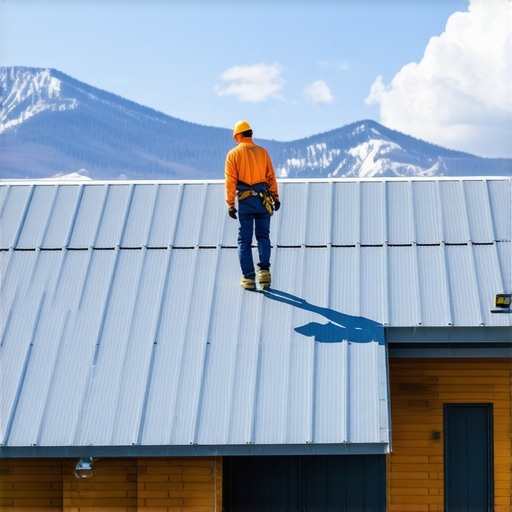
How to Vet Denver Metal Roof Installers: 5 Red Flags for 2026
As we navigate the roofing landscape of 2026, Denver homeowners are facing a unique set of challenges. The Front Range has seen a marked increase in storm frequency over the last few years, with high-velocity wind events and larger-than-average hail stones becoming the new seasonal norm. In response, Metal Roofing has surged in popularity across Colorado. Its promise of a 50-year lifespan and superior impact resistance makes it the gold standard for protection. However, this surge in demand has created a “gold rush” mentality, attracting a wave of unqualified Denver Metal Roof installers and opportunistic “storm chasers” to the region.
While a properly installed metal system is a fortress for your home, a poorly executed one is a ticking financial time bomb. Vetting your contractor is no longer just a recommendation; in 2026, it is a financial necessity to protect your equity. My name is Michael Dye, and through my work with Apex Roofing Consultants in Englewood, I have seen firsthand the devastating results of homeowners trusting the wrong hands. The technical precision required for residential metal roofing Denver projects is significantly higher than that of traditional asphalt shingles. To ensure your investment stands the test of time, you must be able to identify the warning signs before any metal touches your rafters.
Red Flag #1: The “Door-to-Door” Pressure & The “Free Roof” Lure
In 2026, the most common way homeowners fall victim to roofing scams is through the unsolicited knock on the door. Despite repeated warnings from CBS News and Colorado insurance experts, “storm chasers” continue to flood neighborhoods after even minor weather events. These individuals often present themselves as local experts, but they are frequently out-of-state entities looking for quick volume before moving to the next disaster zone.
The primary red flag here is high-pressure sales tactics combined with the promise of a “free roof.” Reputable Denver Metal Roof installers rarely, if ever, need to knock on doors to find work. Quality metal roofing specialists typically have backlogs of work based on referrals and established reputations. If a solicitor claims they “just happened to be in the neighborhood” or offers an immediate “today only” discount, it is a sign to proceed with extreme caution.
Furthermore, be wary of the “simulated hail damage” scam. Recent investigations have highlighted a disturbing trend where contractors use specialized tools – sometimes even coins or ball-peen hammers – to create fake hail dents on metal panels or garage doors while performing a “free inspection.” This is done to trick insurance adjusters into approving a claim. If a contractor insists you have damage that you cannot see from the ground, always get a second opinion from an independent consultant or a long-standing local firm. For more on this, read our guide on 6 Scams Local Roofers Use to Overcharge You in 2026.
Red Flag #2: Licensing Gaps and Insurance Evasion
One of the most confusing aspects of the Colorado roofing industry is that the state does not issue a statewide roofing license. This regulatory gap is a playground for unqualified labor. To be a legitimate operator, Denver Metal Roof installers must hold specific municipal licenses for every jurisdiction they work in – whether that is Denver, Lakewood, Aurora, or Englewood.
A major red flag is a contractor who claims their “business license” is the same as a “roofing license.” It is not. You must demand to see the specific supervisor certificate or contractor license issued by the City and County of Denver. Furthermore, check their standing with the Colorado Roofing Association (CRA), which maintains high standards for its members. If they aren’t willing to show you their local credentials, they likely aren’t authorized to pull the necessary permits for your metal roofing systems for homes.
Insurance is the other half of this equation. In a recent federal judge ruling, a Denver-based contractor was hit with massive penalties for ignoring fall hazards and OSHA violations. If a contractor cannot produce a valid Certificate of Insurance (COI) showing both General Liability and Workers’ Compensation, you are taking on an immense legal risk. If an uninsured worker falls off your metal roof – which is significantly more slippery than shingles – the homeowner can be held liable for medical expenses and lost wages. Never accept a verbal “we’re covered” as proof.
Red Flag #3: Technical Incompetence in Metal-Specific Installation
The most dangerous assumption a homeowner can make is that a good shingle roofer will be a good metal roofer. Metal Roof Installations require a completely different toolset and scientific understanding of thermal expansion and contraction. Many “jack-of-all-trades” contractors attempt metal installs without the proper training, leading to catastrophic leaks within the first 24 months.
A major technical red flag is the improper use of fasteners. In many budget installations, you will see exposed fasteners that are over-driven or under-driven. If the rubber washer (neoprene) is crushed or bulging, it will dry rot and leak. Furthermore, look for poor pitch transitions. Metal panels must be handled carefully at the valleys and ridges; if you see jagged cuts or excessive use of caulk instead of proper flashing, the installer is out of their depth. Proper underlayment is also critical – metal roofs get much hotter than shingles, requiring high-temperature ice and water shields that many “cheap” installers skip to save costs.
Homeowners should also be aware of Senate Bill 38, Colorado’s Residential Roofing Bill. This law requires transparency in contracts, including a clear description of the work and the materials to be used. If your contractor cannot explain the difference between a standing seam system and a screw-down corrugated panel, or if they fail to provide a detailed scope of work as required by SB 38, they are not the experts you need. Choosing the right material is vital; see our article on 4 Roofing Materials That Boost 2026 Resale Value [Updated] for more context.
Red Flag #4: The “Deductible Coverage” Scam
In 2026, insurance fraud remains a significant issue in the Denver metro area. One of the most glaring red flags is a contractor offering to “pay,” “waive,” or “cover” your insurance deductible. In the state of Colorado, this is explicitly illegal. It is classified as insurance fraud, and both the contractor and the homeowner can face legal consequences.
When a contractor offers to cover a $2,000 or $5,000 deductible, they aren’t doing you a favor out of the goodness of their heart. They have to make that money back somewhere. Usually, this results in “shorting” the roof – using inferior underlayment, reusing old flashing, or hiring the cheapest, least-skilled labor available. With Metal Roofing, where material costs are high, there is very little room for price manipulation without compromising the integrity of the system. If a contractor suggests a “rebate” or “advertising credit” that happens to match your deductible amount, walk away immediately. For a full breakdown of pricing traps, check out our 5 Signs Your Denver Roofers Are Overcharging You [2026 Checklist].
Red Flag #5: Vague Contracts and “Hidden” Fees
The final red flag involves the paperwork – or lack thereof. We have seen a rise in cases similar to the “Christopher Terry” scandal reported by Denver7 Investigates, where a contractor took thousands of dollars in deposits for work that was never started or completed. Vague contracts are the primary tool of these scammers.
A valid contract for residential metal roofing Denver must include:
- A precise scope of work detailing the gauge of the metal.
- Specific material manufacturers (e.g., Sheffield Metals or Drexel).
- A clear start and completion date.
- A defined payment schedule (never pay 100% upfront).
- Termination clauses and warranty details.
If the contract is a one-page “estimate” with broad language like “replace roof with metal,” you have no legal protection when things go wrong. Ensure all verbal promises are written down. If they refuse to put a specific detail in writing, it’s a sign they don’t intend to honor it. Review our guide on Hiring Local Roofers? 5 Contract Red Flags to Spot in 2026 before signing anything.
Conclusion: Your Vetting Checklist
Investing in Metal Roof Installations is a wise decision for any Denver homeowner looking to secure their property against the volatile Colorado climate. It is a 50-year investment that provides peace of mind – but that peace of mind can be completely ruined by a 5-day bad installation. Remember: avoid door-to-door pressure, verify local municipal licenses, demand proof of insurance, check for technical metal-specific expertise, and never engage in deductible-waiving schemes.
By staying vigilant and looking for these 5 red flags, you can ensure that your home is protected by the best in the business. For a professional, transparent, and expert consultation on your next project, contact Alamo Roofing. We pride ourselves on our reputation and our commitment to the Denver community. To see what a professional installation looks like, visit Peak to Peak Roofing metal roofing for examples of high-quality craftsmanship.