The Forensic Scene: A Minefield of Brittle Clay
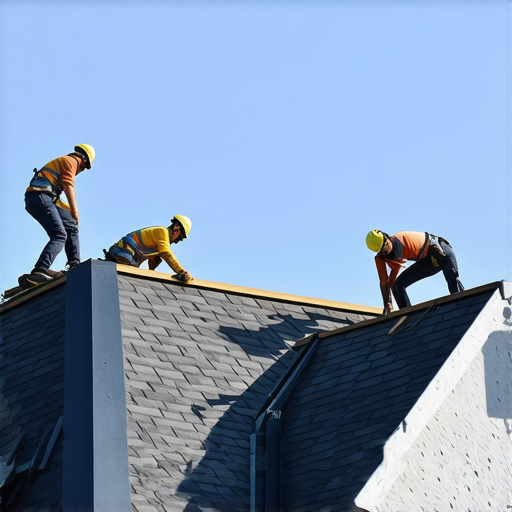
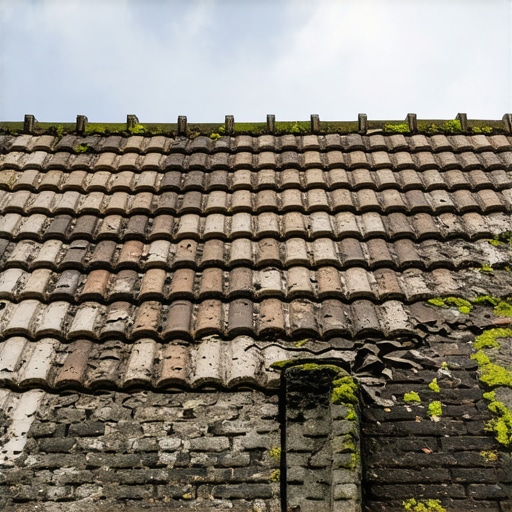
Walking on that tile roof felt like navigating a minefield; every step was a gamble against a hairline fracture I knew was hiding underneath. From the ground, the homeowner thought they were fine. They saw a few pretty barrel tiles and assumed the fortress was holding. But I knew the truth as soon as my boot hit the first course. The tiles didn’t have that solid ‘thud’ they should; they had a hollow, rattling sound that tells a veteran investigator one thing: the system is detached. Beneath the surface, the batten strips were already turning into a soft, pulpy mess, and the underlayment—the actual water barrier—had the consistency of a dried-out saltine cracker. This is the reality of Southwest roofing. We don’t deal with the slow rot of the East Coast; we deal with the high-velocity UV degradation that cooks a roof from the outside in. By the time you see a leak on your ceiling, the forensic evidence suggests the roof died three years ago.
The Physics of the ‘Slipped’ Tile: More Than Just Aesthetics
The first sign of an impending 2026 disaster is the slipped tile. You’ll see it from the driveway—a single piece of concrete or clay that’s slid down an inch or two, exposing a dark gap. Most homeowners ignore it, thinking it’s a cosmetic blemish. In the trade, we look at the ‘head lap.’ Tiles are designed to shed water by overlapping. When a tile slips, you aren’t just losing a piece of the puzzle; you are exposing the nail hole of the tile below it. In the high desert, we see this often because of thermal expansion. The tiles heat up to 160°F in the July sun and then drop to 50°F at night. This constant growing and shrinking eventually ‘walks’ the tile right off the fastener. If that fastener was a ‘shiner’—a nail missed during the original install—the process happens even faster. Once that nail hole is exposed, gravity and capillary action do the rest. Water doesn’t just fall into the hole; it is sucked under the surrounding tiles by hydrostatic pressure. If you are seeing these gaps, you should be checking your underlayment immediately before the 2026 monsoon season hits.
“Water is a persistent invader that utilizes every physical property—gravity, surface tension, and wind pressure—to bypass a building’s exterior envelope.” – National Roofing Contractors Association (NRCA) Manual
The ‘Potato Chip’ Underlayment: The Silent Killer
The second sign is something you can’t see from the ground: brittle underlayment. In our climate, the tile is merely a ‘sun shield.’ The real roof is the asphalt-saturated felt or synthetic membrane underneath. After fifteen or twenty years of thermal shock, the oils in that felt evaporate. It becomes brittle. If you lift a tile and the paper underneath snaps like a potato chip, you are living on borrowed time. This is where Mechanism Zooming matters. When a storm hits, the wind creates a vacuum on the leeward side of your roof. This ‘uplift’ pulls the tiles slightly, and if the underlayment is brittle, it cracks at the fastener points. Now, you have thousands of tiny entry points for wind-driven rain. Many local roofers will try to sell you a simple ’tile reset,’ but putting new tiles over dead paper is like putting a new engine in a rusted-out chassis. It looks good for a month, then fails during the first heavy downpour.
Clogged Valleys and the ‘Dead Load’ Problem
The third sign is debris buildup in the valleys. A ‘valley’ is where two roof planes meet, and it’s the primary highway for water. In tile roofing, we often see a ‘closed valley’ where tiles are cut to meet in the middle. Over time, pine needles, dust, and bird nests clog the channel underneath. This creates a ‘dam’ effect. Instead of water rushing to the gutters, it backs up. This is where ‘capillary draw’ happens—the water moves sideways, traveling under the tiles and over the edge of the flashing. If you see weeds growing out of your roof valleys, you don’t just have a garden; you have a structural threat. Tile is a heavy ‘dead load’ on your house. When you add the weight of standing water and saturated debris, you are testing the limits of your rafters. This is particularly dangerous for commercial roofing applications where large spans are common. For residential owners, ignoring this leads to rotten fascia boards and eventually, a collapsed ceiling. If you’ve received a quote that seems too good to be true, check for these red flags to see if they are actually cleaning and flashing those valleys correctly.
The Crumbled Bird Stop: Your First Line of Defense is Gone
The fourth sign is the failure of the ‘bird stop.’ These are the inserts at the eaves (the edge of the roof) that close the gap under the first course of tiles. They serve two purposes: keeping out pests and preventing wind from getting under the tiles. In our region, the intense UV radiation makes plastic bird stops crumble into dust. Once they’re gone, the wind can get a ‘grip’ on the underside of your tiles. During a 2026 storm, this can lead to ‘chatter’—where the tiles vibrate and eventually shatter against each other. Furthermore, without bird stops, rodents and wasps find a perfect home in your attic. They chew through the underlayment, creating leaks that are impossible to find without tearing off half the ‘square’ (100 square feet) of roofing. If you see orange or gray plastic shards in your gutters, your bird stops have failed, and your tiles are vulnerable to the next high-wind event.
Efflorescence and Spalling: When the Tile Itself Fails
The fifth sign is ‘spalling’ or white chalky streaks known as efflorescence. While efflorescence is often just salt migrating to the surface, it can indicate that the tile is becoming porous. When concrete tiles absorb water, they become incredibly heavy. If we hit a cold snap in early 2026, that absorbed water freezes, expands, and ‘spalls’ or flakes the surface of the tile. Once the hard outer crust is gone, the tile absorbs even more water, and the cycle continues until the tile turns back into sand. It’s a slow death, but it’s inevitable. If your roof is reaching that 25-year mark, you need to evaluate if more durable materials are needed for the next cycle. Don’t fall for the ‘TPO patch’ trap if you have a flat section connecting to your tile; most TPO patches fail because they aren’t tied into the tile’s counter-flashing properly.
“A roof is only as good as its flashing; the material is the secondary defense, while the transitions are the primary battlefield.” – Old Roofer’s Adage
The Bottom Line: Surgery vs. Band-Aids
When I’m out there looking at a failing system, I tell homeowners the same thing: you can pay for the surgery now, or the autopsy later. A ‘Band-Aid’ fix—slapping some mastic or caulk on a cracked tile—will get you through a week, but it won’t survive a 2026 storm season. You need to find reliable local roofers who understand the ‘cricket’ (the water diverter behind a chimney) and the importance of a properly installed valley. Don’t let a ‘trunk slammer’ tell you that your underlayment is fine just because the tiles look okay. Get a forensic inspection. Look for the shiners, check the bird stops, and for heaven’s sake, clear those valleys. Your roof is the only thing standing between your family and the elements; treat it like the life-support system it is.